
Products

 Products Overview
Newsela products are purpose-built to unlock student motivation, inspire teachers, and drive long-lasting learning outcomes.









Resources
About
Products OverviewNewsela products are purpose-built to unlock student motivation, inspire teachers, and drive long-lasting learning outcomes.

In 2013, the United Nations declared March 3 as World Wildlife Day. This commemoration recognized the essential role wildlife and biodiversity play in supporting life on earth. It also gives you an opportunity to deepen K-12 biology, animal science, and ELA instruction using real-world examples students care about.
With Newsela STEM and Newsela ELA articles, interactive videos, and leveled texts, you can help students build background knowledge, analyze scientific data, and strengthen reading and writing skills while exploring how humans and wildlife coexist in our world.
Jump to:
Key takeaways:
World Wildlife Day is a timely way to discuss biology, animal science, and environmental science across grade bands. By anchoring instruction in real-world wildlife phenomena, you can help students connect classroom science concepts to research, conservation, and human impact on ecosystems.
World Wildlife Day helps students understand that animals are essential to ecosystems that support food, climate regulation, and biodiversity. In science classrooms, this day provides an opportunity to explore how environmental changes affect living organisms and what students can do to protect natural systems.
On World Wildlife Day, you can guide students to:
These topics align with life science, environmental science, and Earth science standards, which encourage students to think critically about real-world challenges.
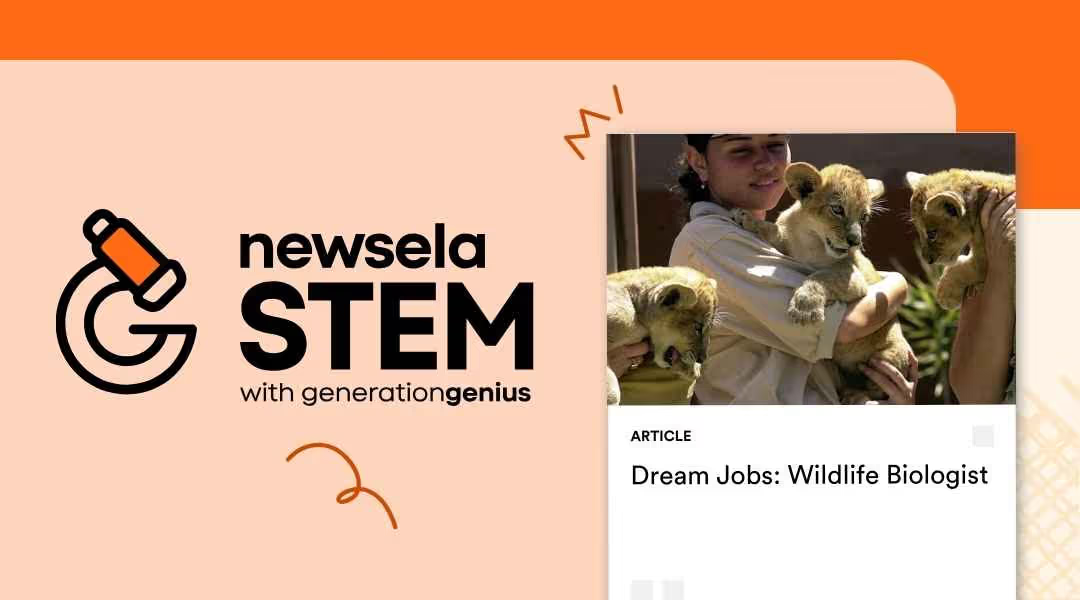
Wildlife science careers offer students a way to learn about how scientific knowledge is developed and applied. Exploring the work of wildlife biologists allows students to see how observation, pattern recognition, and data analysis shape scientific discovery. With Newsela STEM resources, students can:
This career-focused approach helps students connect classroom science skills to future pathways in biology, ecology, and environmental science.
Wildlife science is constantly evolving, making it an ideal way to connect classroom instruction to current events. Introduce trending wildlife topics to students to help them practice evaluating scientific information while staying engaged with real-world discoveries. Students can explore topics like:
Discussions on these topics reinforce scientific literacy and help students evaluate how science informs public decision-making.
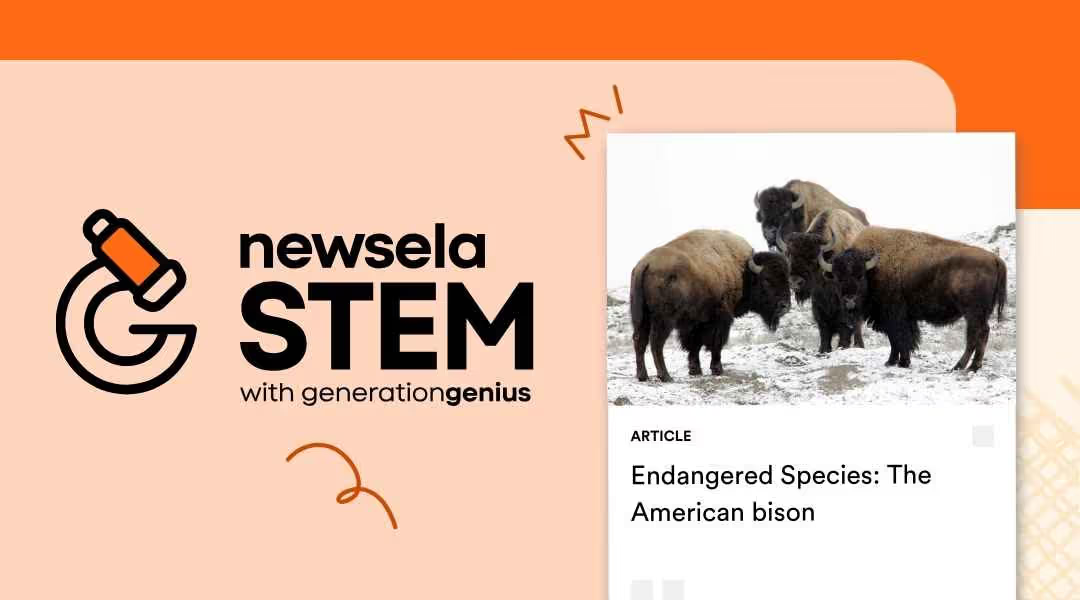
Analyzing animal data encourages students to think like scientists by identifying patterns, comparing variables, and drawing evidence-based conclusions. Wildlife data naturally integrates math and science practices into your lessons. With data lessons students can:
This approach strengthens analytical thinking and prepares students for more advanced scientific investigations.
Virtual field trips allow students to observe wildlife and ecosystems they may never see firsthand. Zoos and aquariums provide real-world examples of conservation, food webs, and species protection.
Zoo virtual field trips allow students to:
Aquarium virtual field trips help students:
These experiences support observational skills and deepen understanding of ecological relationships.
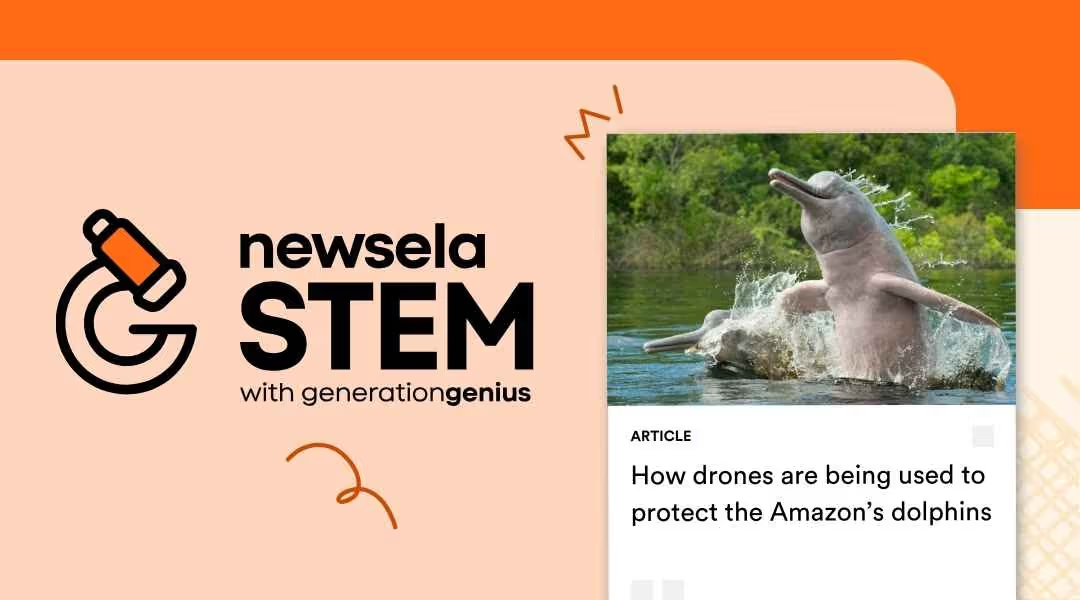
Conservation science highlights how humans can actively protect wildlife through technology, policy, and habitat management. These examples help students understand science as a solution-driven discipline. Students can investigate:
Visual media helps students grasp complex scientific phenomena by showing processes in action. Interactive wildlife videos can support vocabulary, development, concept mastery, and scientific curiosity. With videos, students can:
Go even further using Newsela STEM with Generation Genius videos to make these phenomena easily accessible and engaging across grade bands. Try these video selections:
K-2 Science:
3-5 Science:
6-8 Science:

Offering student choice for reading and topic selection encourages curiosity and ownership of learning. Assigning wildlife articles lets them explore topics that align with their interests while practicing scientific reading skills. Students can browse articles about:
Key takeaways:
World Wildlife Day also creates rich opportunities for reading, writing, speaking, and critical thinking in ELA classrooms. By using wildlife topics as authentic content, you can engage students with informational texts, poetry, and argument-driven discussions while strengthening comprehension and analysis skills across grade levels.
Poetry allows students to explore wildlife through imagers, figurative language, and tone. Animal poems invite close reading while encouraging students to interpret meaning beyond literal facts. Explore wildlife through verse with poems like:
.avif)
Informational texts about animals and ecosystems help students practice close reading while developing content knowledge that supports cross-curricular learning. Wildlife topics encourage students to identify main ideas, analyze evidence, and synthesize information from nonfiction sources.
Students can explore articles that examine:
Animal adaptations provide a strong foundation for explanatory and analytical writing. Students can examine how physical and behavioral traits help animals survive in different environments and explain those relationships using evidence from texts. Students can explore:

Animal communication provides compelling examples of verbal and nonverbal interaction. Studying how animals signal distress, cooperation, or navigation helps students analyze communication beyond human language. Students can explore articles about:
Discussions about animal intelligence encourage students to compare ideas, evaluate evidence, and develop arguments. These topics naturally lead to debate and opinion writing grounded in research. Students can investigate:
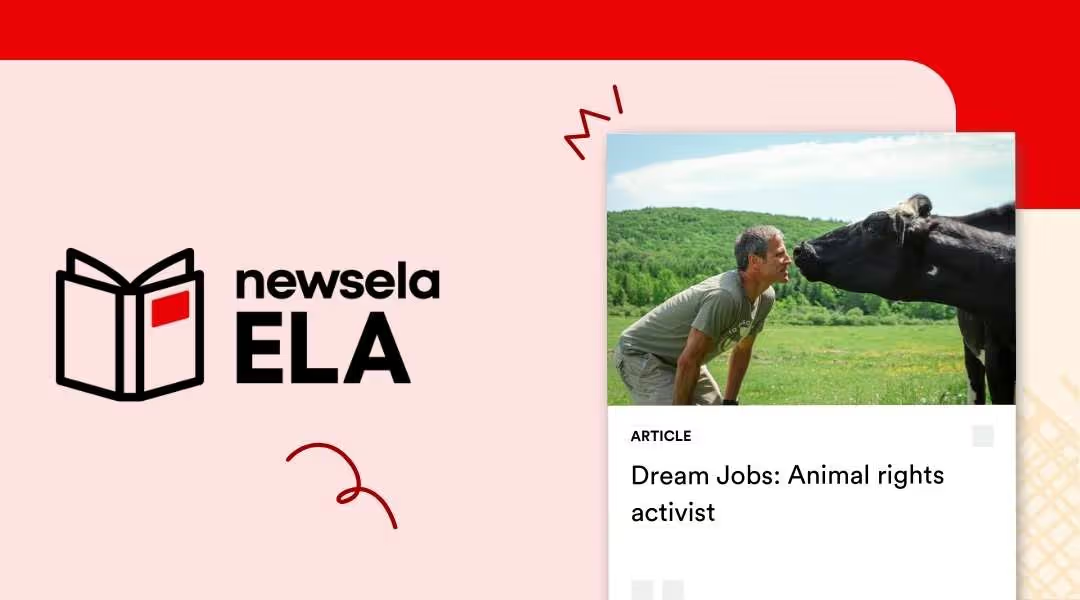
Animal rescue and rehabilitation texts allow students to explore advocacy, history, and career pathways while synthesizing information from multiple sources. Students can research:
World Wildlife Day is more than a one-day observance. It’s a chance to spark curiosity, build scientific understanding, and strengthen literacy skills throughout the school year. Using wildlife-focused content, you can help students connect biology, animal science, and ELA concepts to real-world issues that matter.
With Newsela’s knowledge and skill-building products, you can integrate leveled articles, interactive videos, and cross-curricular resources into your existing lessons easily. Support differentiation, inquiry-based learning, and skill development across grade bands to meet diverse student needs while keeping instruction engaging and relevant.
If you’re not a Newseal customer, sign up for Newsela Lite and start your 45-day free trial!


Need World Water Day activities for school? These K–12 ideas help students explore water science, global issues, and conservation across subjects.

Find Earth Day lesson plans you can use in science, ELA, and social studies classrooms. Includes activities, debates, and projects for every grade band.

Find World Forest Day activities you can use in science, ELA, and social studies to build background knowledge about forests and trees.


.jpg)
.jpg)