
Products

 Products Overview
Newsela products are purpose-built to unlock student motivation, inspire teachers, and drive long-lasting learning outcomes.









Resources
About
Products OverviewNewsela products are purpose-built to unlock student motivation, inspire teachers, and drive long-lasting learning outcomes.

Spring is here, and your students can feel it. Longer days, warmer weather, and fresh starts make the first day of spring the perfect moment to lean into learning. With the right lessons, you can turn that excitement into real engagement.
Whether you call it the spring equinox or just the start of a new season, this is a chance to explore science, reading, and writing in ways that feel timely and fun. They’re sure to help you set up a happy first day of spring in your classroom.
Jump to:
Key takeaways:
Spring and other changing seasons create natural curiosity. Students notice longer days, new plants, and more animals outside. Use those observations to anchor science instruction in ways that feel timely, meaningful, and connected to students’ lives.
The spring equinox is the moment when day and night are almost equal length. It usually happens between March 20 and March 22 in the Northern Hemisphere. These resources help students understand what the equinox is, why the date shifts, and how changes in daylight shape our lives on Earth. Dive into topics like:
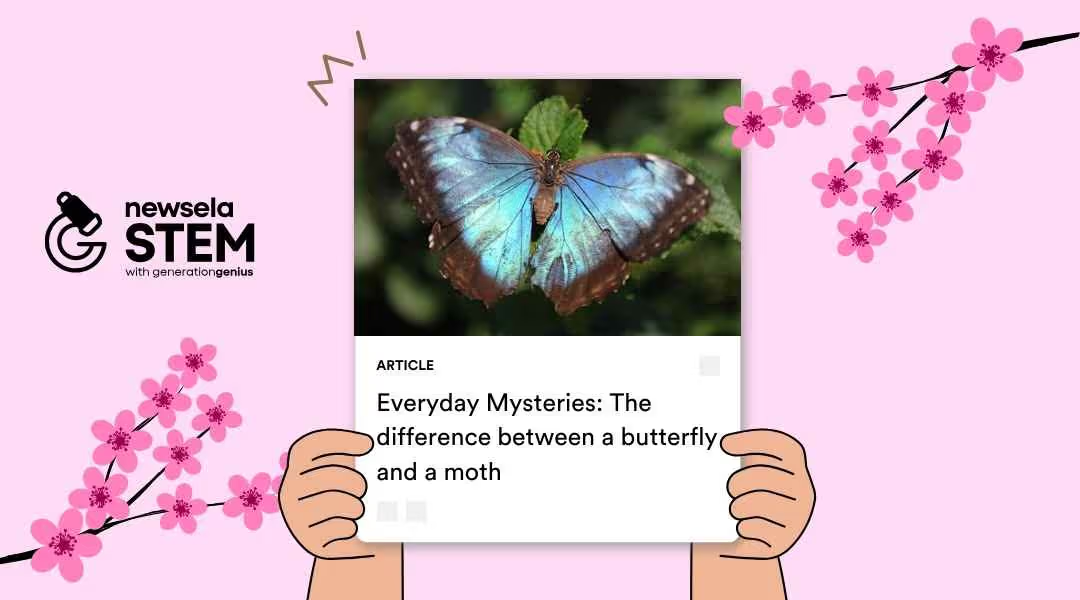
Butterflies and moths both come out in the springtime, and it’s easy for students to mix them up. This lesson helps students compare physical traits and behaviors while practicing close reading and observation skills. Follow these steps to implement the lesson:
Spring doesn’t happen by chance. Earth’s tilt and orbit control how much sunlight different regions get. These resources help students connect the equinox to bigger ideas about Earth’s movement and seasonal patterns across the globe:
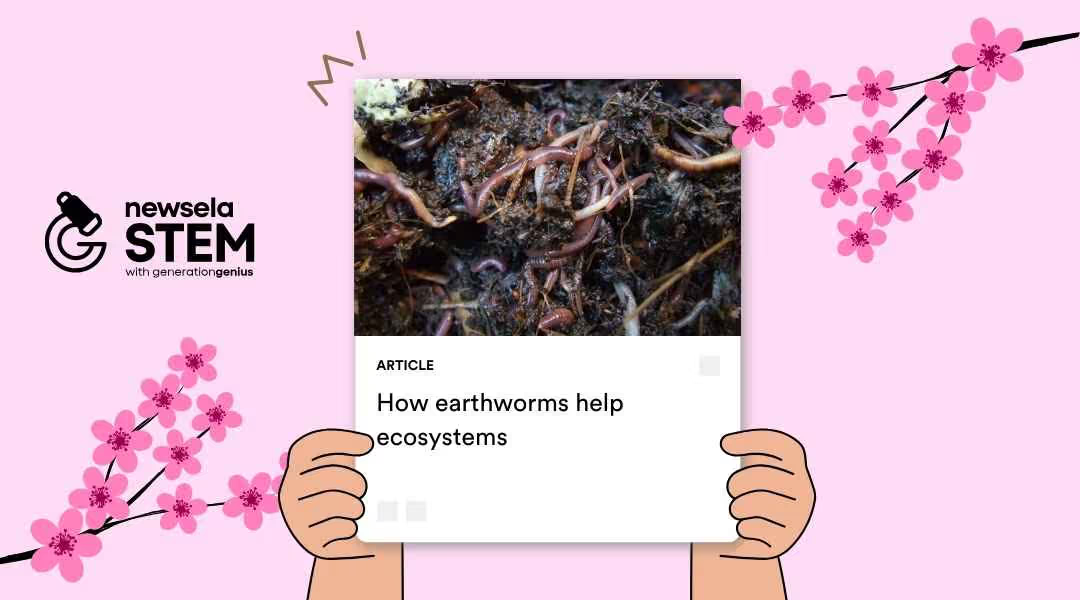
Spring signals growth, movement, and survival strategies. These resources help students explore how living things respond to changes in temperature, daylight, and food availability. With this lesson, they can:
Warmer temperatures bring insects back to the surface. These resources help students learn how insects survive, adapt, and function in different environments. They can:
Hands-on projects allow students to test ideas and see science in action. These activities work well as class demonstrations, small-group challenges, or enrichment opportunities.

Spring often brings rain, making clouds a good focus for a science lesson. This activity helps students visualize how precipitation forms using simple materials and clear steps. They can:
Spring traditions make eggs a familiar material for engineering challenges. This activity blends life science reading with design thinking and problem-solving. Follow these steps to use it in your classroom:
Videos support visual learning and help simplify complex ideas. Using Newsela STEM with Generation Genius videos reinforces standards while keeping lessons engaging and accessible. Try these video selections:
K-2 Science:
3-5 Science
6-8 Science
Have a room full of students who prefer to read? Check out our spring articles collection instead!
Key takeaways:
Spring shows up everywhere in literature. Authors use the season to explore growth, reflection, and new beginnings. These ELA activities help you tap into that symbolism while building reading, writing, and analysis skills across genres.
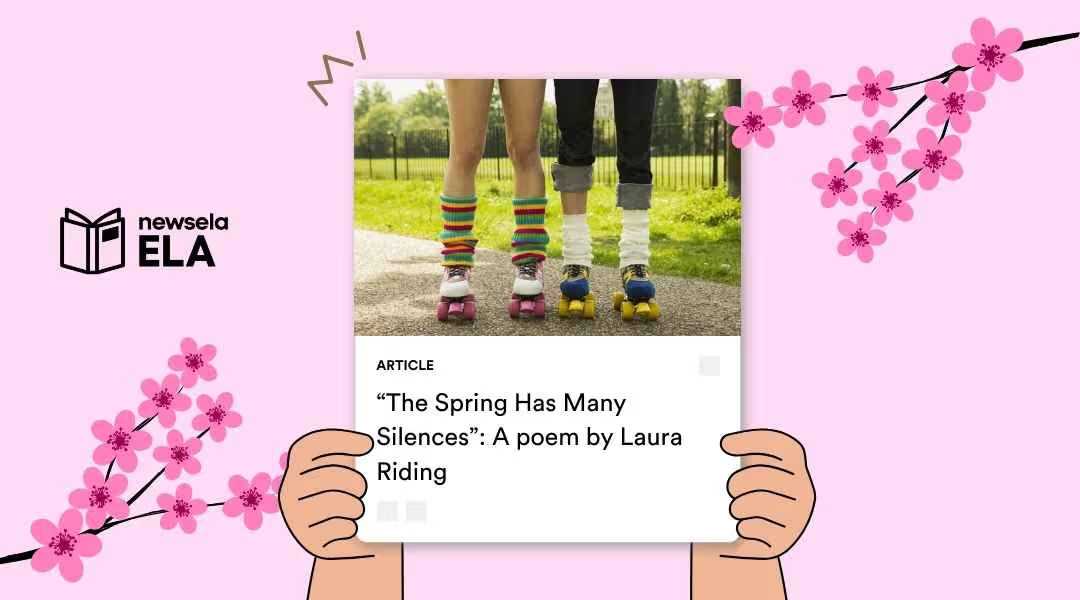
Poetry offers short, powerful ways to explore seasonal imagery and mood. These selections invite students to notice language, tone, and how writers describe change in the natural world:
Paired texts help students compare ideas across genres while building critical literacy skills. These activities ask students to analyze how authors approach the same topic in different ways.
This paired text set blends storytelling with factual context. Students explore how seasons shape experiences while comparing a fictional narrative with a nonfiction explanation. Follow these steps to implement the lesson:
.avif)
Many ancient cultures used myths to explain natural events. This paired text analysis helps students contrast mythological explanations with scientific understanding. Follow these steps to implement the lesson:
Spring brings bugs out from their winter hiding places. That makes them a timely research topic for ELA lessons. These resources support informational writing while helping students gather evidence from multiple sources:
.avif)
Spring has many holidays tied to renewal and hope. These topics give students opportunities to learn about different beliefs and traditions through informational reading. They can explore holidays like:
Spring brings fresh energy into your classroom. When you pair that excitement with timely science and ELA content, learning feels more meaningful and connected. The right texts help students explore seasonal change while building reading, writing, and critical thinking skills.
If you’re not a Newsela customer yet, sign up for Newsela Lite and start your 45-day free trial. You’ll get access to high-quality spring resources that meet students where they are, so you can focus on creating a happy first day of spring that lasts well beyond one lesson.


Find Earth Day lesson plans you can use in science, ELA, and social studies classrooms. Includes activities, debates, and projects for every grade band.
.avif)
Bring a change in the seasons into your ELA and science classes with these engaging winter solstice activities for students.

Try daylight saving time fun activities that help you teach earth science, telling time, and critical thinking with engaging classroom-ready lessons.


.jpg)
.jpg)