
Products

 Products Overview
Newsela products are purpose-built to unlock student motivation, inspire teachers, and drive long-lasting learning outcomes.









Resources
About
Products OverviewNewsela products are purpose-built to unlock student motivation, inspire teachers, and drive long-lasting learning outcomes.
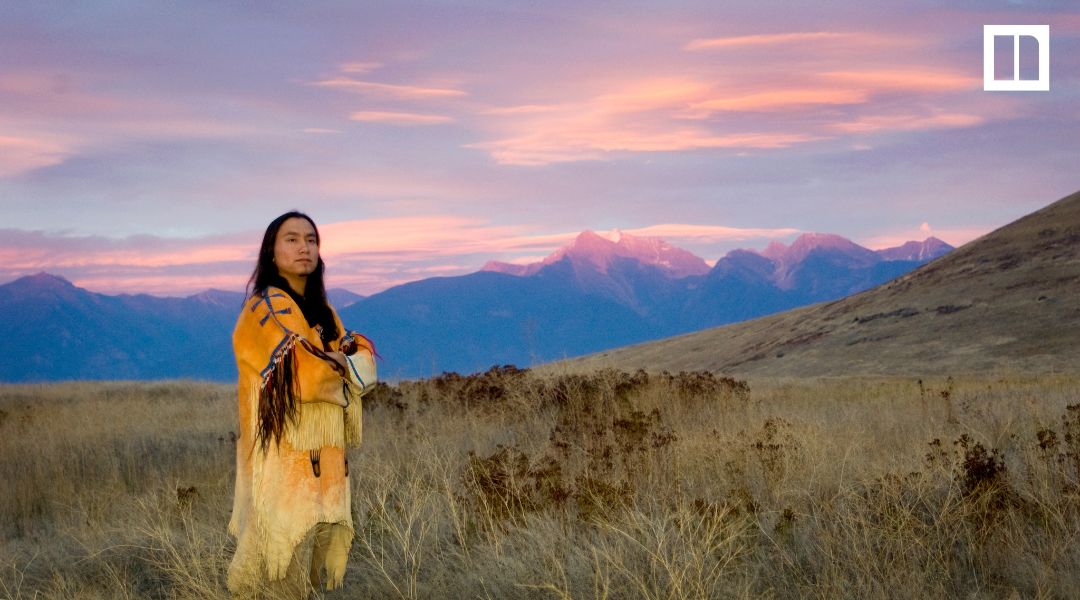
Native American Heritage Month facts are most useful when students can connect them to real people, places, sources, and stories.
That’s where social studies lessons give you room to go deeper. Students can compare Indigenous cultures across regions, read Native voices in primary sources, and examine how Indigenous communities shaped major moments in U.S. history.
Use these Newsela Social Studies resources to build lessons that fit what you’re already teaching and help students see Indigenous history as ongoing, not just a one-month celebration.
Native American Heritage Month facts land better when students can connect them to specific cultures, places, and sources. Use these resources to move from broad awareness into lessons about regional diversity, living traditions, and Indigenous voices.
Start with a unit on Native American cultures by region when you want students to compare Indigenous cultures instead of flattening them into one story.
This unit is organized around East Coast, Central, West Coast, Alaskan, and Hawaiian cultural regions. Each topic helps students look at how geography, resources, language, government, traditions, and contemporary cultural practices shaped different communities.
You can use one region with the whole class or assign different regions to small groups. Have students look for a few comparison points as they read:
Use this lesson when you want students to see Indigenous culture as present-day, lived, and connected to the community. They can read about language preservation, museum work, traditions tied to the natural world, and how communities keep knowledge moving across generations.
This text set also gives students something to do with what they read. They can write about why heritage months matter, reflect on their own family traditions, or explain why traditions are worth continuing.
Primary sources give students a way to study letters, speeches, memoirs, and documents that show how Native leaders and communicators described their own experiences.
This primary source text set also gives students analysis questions they can use across sources, including how a source addresses identity, culture, or society, and how it changes their understanding of a time period or event.
Use these resources when you want students to study leadership as action. Public service, athletics, innovation, and advocacy all fall in this category. The resources keep them looking at what people did, what changed, and what questions are unanswered.
This text set works well when you want students to connect Native American Heritage Month facts to people, communities, and accomplishments.
They can start with the diversity of Indigenous nations, then move into examples like the Mohawk Skywalkers, Navajo Code talkers, or Alaskan seaweed farming. The lesson path also gives students a few response options, such as a presentation, speech, or writing prompts about what we can learn from different cultures.
Use the Native American leaders and trailblazers text set when you want students to see how leadership works in more than one setting. They can read about Indigenous people in elected office, sports, and innovation careers.
The lesson path also asks students to do something with what they learn: Research a leader, write a biography, create a social media post for a cause, or imagine an invention of their own.
Use this text set when you want students to connect advocacy to issues like land and voting rights, tribal recognition, the census, and environmental action. The lesson path provides great projects and activities, like comparing sources or making a poster that explains advocacy in their own words.
Use this Indigenous veterans lesson when you want students to study both military service and veteran treatment. They’ll read about Native American veterans honored at the National Mall and Navajo code talkers who needed new homes. Then they’ll use evidence to answer the question: How has the U.S. government treated Indigenous veterans?
This lesson gives students a clear comparison task. They highlight details about Indigenous Americans’ military service in one color and details about the U.S. treatment of Indigenous veterans in another. From there, they can organize evidence, discuss their thinking, and build a short presentation that makes a supported judgment.
Use these resources when students need historical context for Native American Heritage Month. These lessons look at early Native societies, westward expansion, and key wars and battles to see how they impacted each changing era.
Use this unit when students need a more complete path into early U.S. history. The resources start before European arrival, then move into Native societies, government systems, trade, treaties, and conflict.
This is a useful way to keep the lesson from becoming just a story about colonization. Students will build context about Native societies, then examine how different communities experienced and responded to European traders, settlers, and power.
Use the westward expansion and Native Americans lesson when you want students to examine topics like U.S. government policy, primary source perspectives, and long-term effects on Indigenous communities.
This is a good place to ask students to track cause and effect. As they read, have them name the policy or event, identify who was affected, and use evidence to explain the impact on Indigenous nations and communities.
Dig into this lesson when students need to connect the French and Indian War to Native nations, diplomacy, land, and power struggles. Resources include texts about French relationships with Native Americans, territorial changes after the war, battle maps, and more
This lesson focuses on the French and Indian War. It includes texts about the war, its causes and its consequences.
Many Native Americans tried to stay neutral in the conflict between Britain and the American colonies. Over time, many sided with the British because they saw an independent United States as a threat to their freedom and way of life.
This lesson asks students to examine those choices, then connect participation in the war to the events that came before and and the consequences that came after.
This lesson works well as a paired-text analysis because students track three related ideas:
Native American Heritage Month facts can help students do more than remember a calendar date. They can compare Native American cultures by region, study Indigenous voices in primary sources, learn from leaders and advocates, and connect major moments in U.S. history to their effects on Native nations and communities.
Start with the question that fits your unit, then choose the resource that gives students the right kind of evidence. You don’t have to cover everything at once. Just make sure students build a clearer, more specific understanding of Indigenous history, culture, leadership, and contributions.
With Newsela Learning Suite, you can keep building those connections throughout the year across ELA, social studies, STEM, and writing. If you’re not a Newsela customer, sign up for free. Then, you can start your 45-day trial of premium content to access everything you need to teach about nearly any Heritage Month, historical event, or holiday in your classroom.


Plan Native American Heritage Month lessons with poems, stories, paired texts, and activities that center Indigenous voices.
.jpg)
Find Native American Heritage Month books and paired Newsela ELA resources for elementary, middle school, and high school lessons.
.jpg)
Help students explore Native American contributions in STEM through Newsela science resources on scientists, conservation, space, and heirloom seeds.