
Products

 Products Overview
Newsela products are purpose-built to unlock student motivation, inspire teachers, and drive long-lasting learning outcomes.









Resources
About
Products OverviewNewsela products are purpose-built to unlock student motivation, inspire teachers, and drive long-lasting learning outcomes.

March Madness brings energy, excitement, and plenty of teachable moments to your classroom. With the right March Madness classroom ideas, you can channel tournament buzz into meaningful lessons that build reading, writing, and critical thinking skills across subjects.
Using Newsela’s subject products, you can bring basketball-themed learning into ELA, social studies, and STEM without extra prep. These activities help you keep students engaged from tipoff to the final buzzer while staying focused on standards and skill growth.
Jump to:
Key takeaways:
Brackets aren’t just for basketball. They can be a fun way to motivate readers. By framing reading as a tournament, you give students a clear purpose for close reading, discussion, and voting while keeping energy high throughout the month.
A reading bracket turns text selection into an event students care about. Over several class periods, students read short fiction or poetry selections, compare them, and vote on which texts advance. Each matchup encourages rereading, discussion, and evidence-based reasoning.
For even more participation, have students create individual brackets on paper or digitally. A classwide bracket lets you track majority picks and spark conversation when opinions differ.
Some engaging options by grade band include:
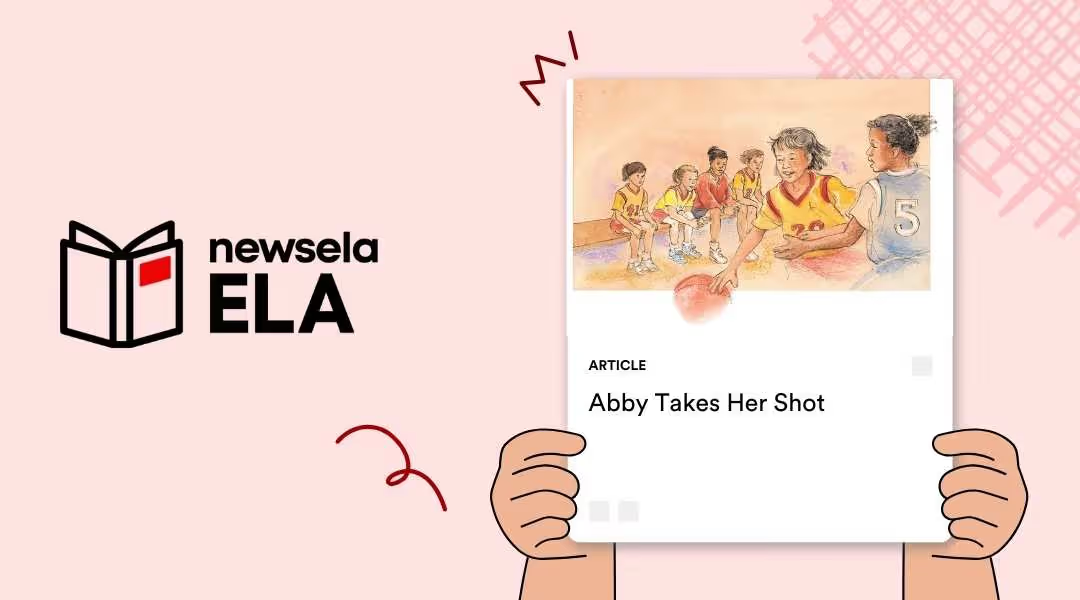
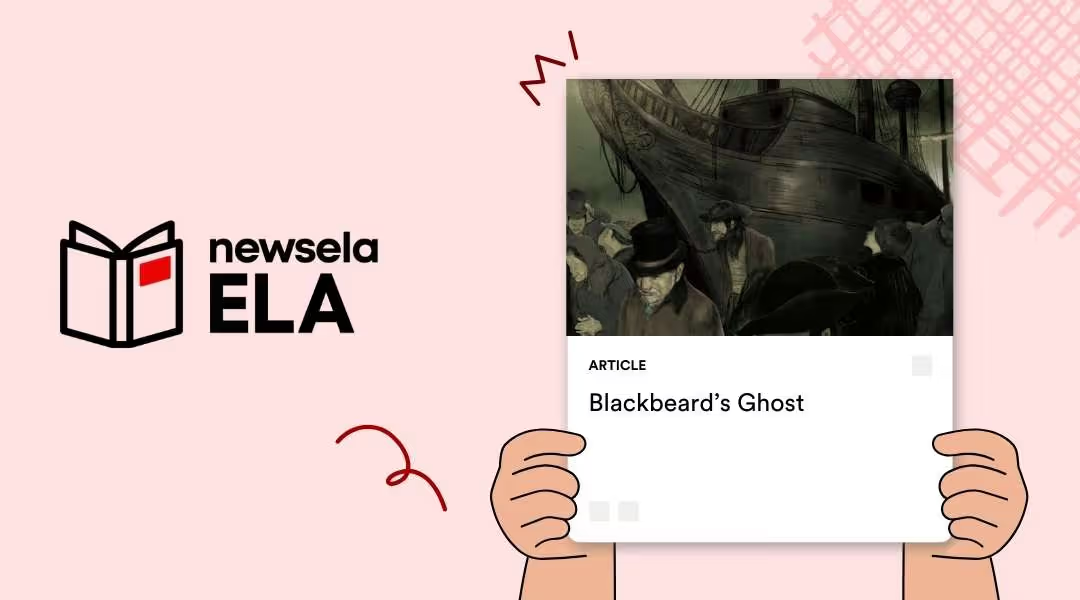
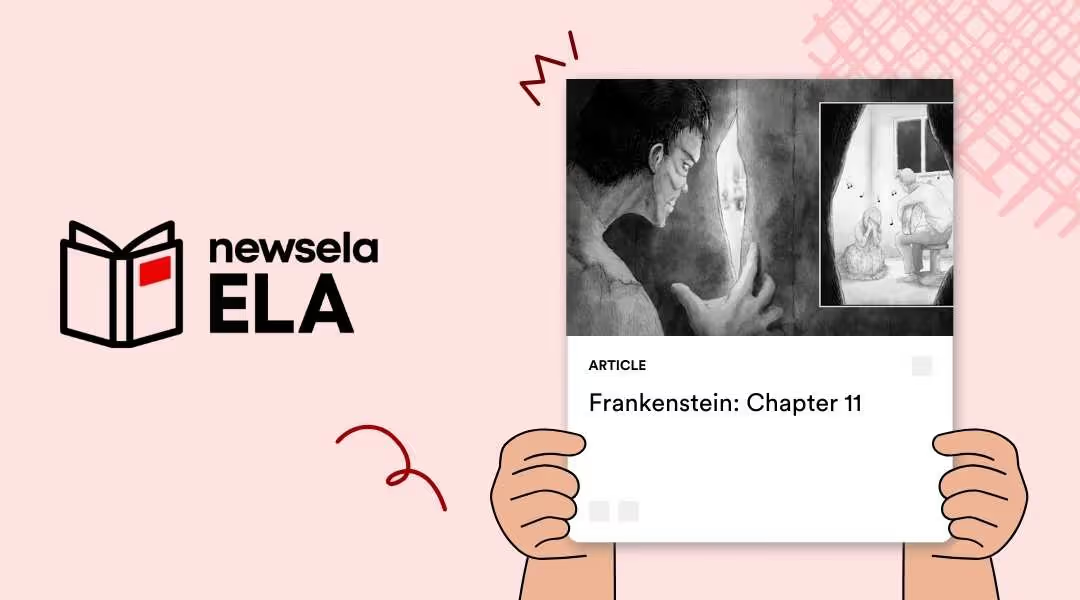
Adding nonfiction STEM articles raises students' thinking and makes voting more meaningful. Students must compare ideas, themes, and information—not just personal preferences—before choosing which text advances.
You can mix these texts directly into your ELA bracket or create a parallel science-focused tournament. Topics included in the selections are:
Key takeaways:
Reading brackets are a great starting point, but March Madness is also a hook for teaching deeper ELA skills. You can use basketball-related topics to spark discussion, support argument writing, and help students practice listening and speaking—and have fun doing it!
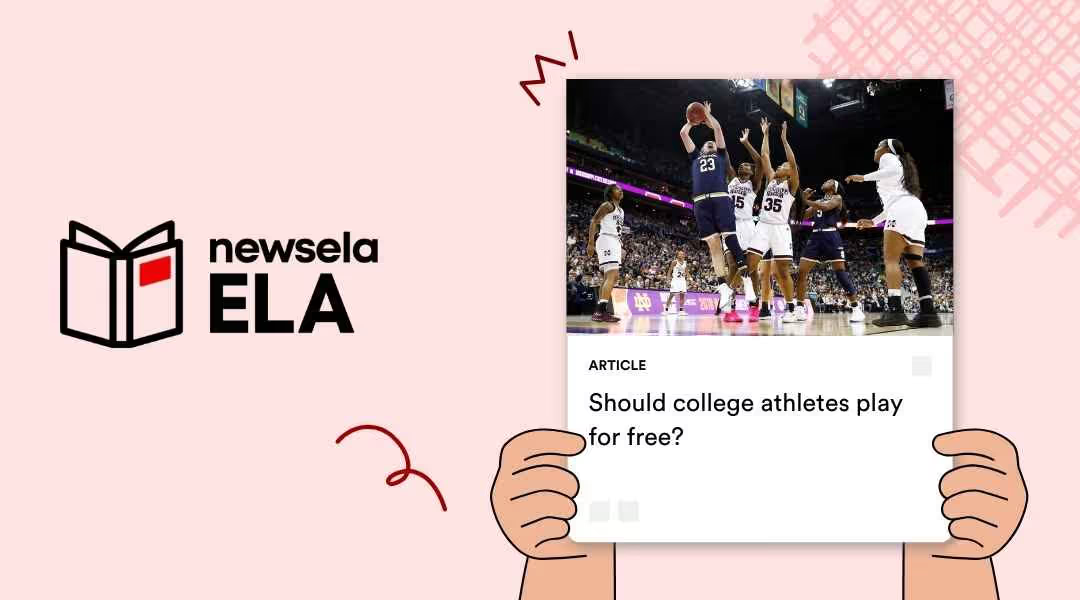
This topic connects directly to students’ interests and real-world issues. It also gives you a clear way to teach argument skills. With a debate activity, students read content from multiple viewpoints, track evidence, and learn how to respond to opposing ideas respectfully.
To support the debate:
If you’d rather focus on writing, you can use this same topic for an opinion essay. Students can choose a position and support it with evidence from the texts. Assign the task with Newsela Writing so students can get real-time feedback as they draft and revise.
March Madness highlights intense competition, making it a strong opportunity to discuss pressure, motivation, and mental health. This topic encourages students to think beyond the scoreboard and consider the human side of the sport.
Help students build informed opinions by sharing articles about:
Students can use these and other texts to prepare for a discussion, have a debate, or construct a short written response.

Paired text analysis helps students see how similar ideas appear in both fiction and nonfiction. Basketball-themed texts make this skill more accessible and engaging. You can structure this activity by:
Longer tests help students extend their learning beyond short articles. Basketball-themed novels connect sports, identity, and coming-of-age themes in ways that resonate with students. Popular options include:
Key takeaways:
Basketball may look effortless on the court, but every shot involves science and math. March Madness gives you a timely way to explore motion, force, energy, and data while keeping students engaged through a familiar and exciting context.
Students often wonder why some players excel at shooting, jumping, or endurance. Basketball provides a natural entry point for exploring how physical and mental factors work together. Use Newsela STEM articles to help students investigate basketball topics such as:

Data analysis helps students see how numbers tell a story. By working with basketball statistics, students learn why collecting and interpreting data matters in real life. Students can explore resources such as:
Using Newsela STEM with Generation Genius videos allows you to reinforce science and math standards while keeping lessons visual and engaging. Videos help break down complex ideas and work well as lesson openers, review tools, or discussion starters.
These video lessons also include a 5E lesson plan, key vocabulary, discussion questions, and DIY activities to minimize the prep you need to do to bring these concepts to life for your students. Try these video selections:
K-2 Science:
K-2 Math:
3-5 Science:
3-5 Math:
6-8 Science
6-8 Math
Key takeaways:
Students often recognize brackets and team logos, but they may not understand what March Madness represents. Articles about the tournament help students learn how large events influence culture, media, and money. To build background knowledge, you can:
March Madness excitement doesn’t have to end when the final buzzer sounds. The Newsela Independent Reading Challenge brings that same competitive energy into reading all year long. Students can set goals, track progress, and work toward earning rewards, just like advancing through a bracket.
Not a Newsela Customer yet? You can access the Independent Reading Challenge and other differentiated content and activities by creating an account and starting your free 45-day trial of our premium subject products!


Use basketball articles for students to teach ELA, STEM, and social studies with engaging NBA content and real-world learning.

Use Stanley Cup Finals lessons to engage students in ELA and STEM with real-world sports connections and ready-to-use classroom activities.

Bring the World Series into class with baseball activities for ELA, social studies, STEM, and math.


.jpg)
.jpg)