
Products

 Products Overview
Newsela products are purpose-built to unlock student motivation, inspire teachers, and drive long-lasting learning outcomes.









Resources
About
Products OverviewNewsela products are purpose-built to unlock student motivation, inspire teachers, and drive long-lasting learning outcomes.
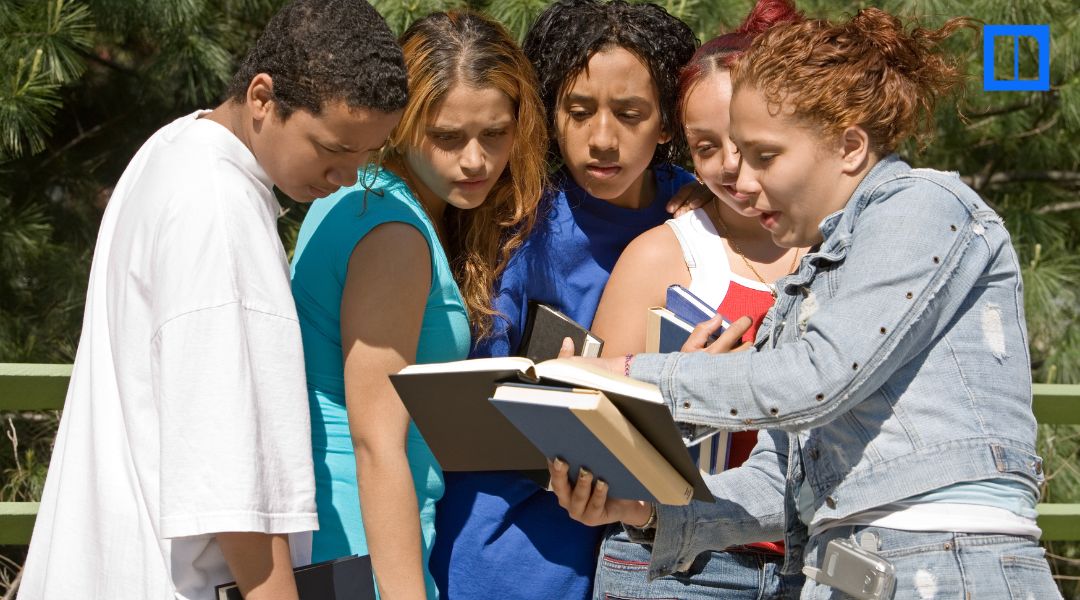
Hispanic Heritage Month runs from September 15 to October 15, making it a great time to bring more Hispanic stories into your ELA lessons. But finding the right book is only the first step. Teachers also need context, discussion questions, and activities that help students read with care.
Use this list to find Hispanic Heritage Month books for elementary, middle, and high school students. Each title connects to a Newsela ELA novel or book study with texts, videos, student tasks, and writing activities that can help you build a fuller unit around the book.
Use elementary-friendly novels that give students a concrete character journey to follow. These picks work best when students can connect plot events to family, culture, language, and self-expression without losing the joy of reading.
“Esperanza Rising” connects family history, migration, and hope. The main character’s story gives students someone to follow closely while they build context about the Mexican Revolution, the Great Depression, and farmworker experiences.
The strongest area to focus on is the setting. Before students discuss why Esperanza and her mother leave Mexico, help them understand how place, class, and historical events shape the choices available to the characters.
From there, students can track how Esperanza responds to loss and change. Pair the novel with short texts about grief, working conditions, and cultural traditions so students can connect the character’s growth to real-world history and human experience.

Newsela ELA resources
Pair the Novel Study with videos, articles, poems, and fiction that build historical context and support discussions about migration, labor rights, grief, symbolism, and family traditions.
Open Novel StudyOpen each group to find videos, articles, poems, and fiction that connect to the novel's themes and historical context.
| Resource | Reading Level / Runtime | Why this resource? | Spanish? |
|---|---|---|---|
| Pam Muñoz RyanVideo | 2:35 | Shows how family history and real-world events influenced the author's inspiration for the novel. | |
| History of the Mexican RevolutionArticle | 580L–1230L | Builds context for the class, wealth, and gender expectations that shape Esperanza's early life. | ✓ Yes |
| The Depression and The Dust BowlVideo | 2:26 | Introduces the economic and environmental crises that provide context for Esperanza's new life in California. | |
| Farming and the Dust Bowl During the Great DepressionArticle | 570L–1080L | Connects Esperanza's experiences to the broader history of farm labor during the Great Depression. | ✓ Yes |
| When Hoover deported 1 million Mexican Americans for supposedly stealing U.S. jobsArticle | 570L–1340L | Provides context about repatriation, discrimination, and the uncertainty Mexican American families faced during the era. |
Scroll left to right to see the full table.
| Resource | Reading Level / Runtime | Why this resource? | Spanish? |
|---|---|---|---|
| When Labor Laws Left Farmworkers Behind—and Vulnerable to AbuseArticle | 600L–1320L | Extends the novel's labor-rights themes into a discussion about protections for farmworkers. | ✓ Yes |
| “We're not animals”: U.S. farmworkers labor in deadly heat with few protectionsArticle | 550L–1390L | Connects the novel's themes to contemporary farmworker safety and working conditions. | ✓ Yes |
| Dolores Huerta: “Yes we can!”Video | 2:36 | Introduces Dolores Huerta's activism and organizing as a point of comparison with the novel. | |
| Civil rights icon Huerta has advice for a new generation of activistsArticle | 500L–1330L | Gives students a way to compare protest and resistance in the novel with Huerta's guidance for activists. | ✓ Yes |
| “Protest”: A poem by Ella Wheeler WilcoxPoem | Offers a literary comparison of how different genres develop ideas about protest and resistance. |
Scroll left to right to see the full table.
| Resource | Reading Level / Runtime | Why this resource? | Spanish? |
|---|---|---|---|
| How to deal with the death of a loved oneArticle | 430L–1010L | Provides language for discussing Esperanza's grief and the different losses she experiences. | ✓ Yes |
| SymbolismVideo | 2:06 | Introduces symbolism before students examine plants, traditions, and recurring images in the novel. | |
| The Sun Stands StillFiction | 620L–720L | Supports comparison of symbolism, ritual, and cultural meaning across literary texts. | ✓ Yes |
| “Peaches”: A poem by Adrienne SuPoem | 710L | Offers a poetry comparison focused on how everyday objects express memory, tradition, and identity. | |
| “Walnuts in Nangarhar”: A poem by Zohra SaedPoem | 670L | Helps students compare symbols of family, place, and cultural connection across texts. | |
| Basket weavers plant the seeds of Gullah culture in the next generationArticle | 610L–1260L | Connects Esperanza's family traditions with how cultural practices carry memory across generations. | |
| How kiddie pools of kimchi bind Korean families togetherArticle | 460L–1240L | Provides another example of how food, family, and tradition help preserve culture across generations. | ✓ Yes |
Scroll left to right to see the full table.
“Return to Sender” gives two points of view on the same situation. Tyler’s family needs help to keep their Vermont farm running, and Mari’s family needs work while living in fear of separation and deportation.
Use this Novel Study to get students thinking about immigration, migrant work, stereotypes, and what it takes to build an accepting community. The supporting resources help them move between historical context, character perspective, and symbolism.

Newsela ELA resources
Pair the Novel Study with articles, videos, and other texts that build context for immigration, migrant worker rights, different perspectives, and belonging.
Open Novel StudyOpen each group to find videos, overviews, articles, biographies, and myths that connect to the novel's themes and instructional activities.
| Resource | Reading Level / Runtime | Why this resource? | Spanish? |
|---|---|---|---|
| Julia AlvarezVideo | 2:33 | Introduces Alvarez and provides context for her interest in immigration, identity, and belonging. | |
| Issue Overview: Skilled immigrantsOverview | 610L–1270L | Introduces immigration questions students can consider as they read about the challenges facing the novel's characters. | ✓ Yes |
| Issue Overview: Immigration reformOverview | 610L–1280L | Builds background knowledge about immigration policy questions that shape the characters' fears and choices. | ✓ Yes |
| Why do people move from place to place?Video | 2:08 | Introduces reasons individuals and families migrate, giving students context for Mari's family's experiences. | |
| The History of European Immigrants in the United StatesArticle | 590L–1290L | Supports comparison of past immigrant experiences with the treatment of Mari's family. | ✓ Yes |
| The Irish Immigrant ExperienceArticle | 550L–1290L | Supports comparisons of discrimination, economic need, and belonging across immigrant histories. | ✓ Yes |
| Project seeks stories of Chinese railroad workersArticle | 590L–1230L | Explores immigrant labor in U.S. history and whose experiences are preserved in historical accounts. | ✓ Yes |
Scroll left to right to see the full table.
| Resource | Reading Level / Runtime | Why this resource? | Spanish? |
|---|---|---|---|
| A lesson from history about protecting migrant workersArticle | 880L–1370L | Connects the Cruz family's work with broader questions about migrant worker protections and community responsibility. | |
| Dolores Huerta: “Yes we can!”Video | 2:36 | Introduces farmworker advocacy through Dolores Huerta's organizing and activism. | |
| Civil Rights Activists: Dolores HuertaBiography | 560L–1230L | Provides a closer look at Huerta's work for comparison with the novel's worker-rights questions. | ✓ Yes |
Scroll left to right to see the full table.
| Resource | Reading Level / Runtime | Why this resource? | Spanish? |
|---|---|---|---|
| Perspectives in the first, second, and third personVideo | 5:00 | Prepares students to examine how Tyler's and Mari's perspectives shape their understanding of events in the novel. | |
| After photo went viral, Jewish and Muslim families form lasting friendshipArticle | 530L–1380L | Offers an example of how people can challenge stereotypes and build relationships across differences. | ✓ Yes |
| Students teach each other their languages and learn acceptanceArticle | 510L–1190L | Connects the novel's themes of language, acceptance, and belonging with a classroom example. | ✓ Yes |
| Why stereotypes should be avoidedArticle | 600L–1240L | Provides language for discussing stereotypes and how communities can become more inclusive. | ✓ Yes |
Scroll left to right to see the full table.
| Resource | Reading Level / Runtime | Why this resource? | Spanish? |
|---|---|---|---|
| The Zodiac constellationsVideo | 4:08 | Introduces star patterns and their meanings before students complete the constellation task. | |
| Myths and Legends: The Greek gods in the stars and constellationsMyth | Provides a mentor text for writing a constellation myth connected to a central theme. | ||
| Relearning the star stories of Indigenous peoplesArticle | 570L–1050L | Shows how star stories can connect culture, place, memory, and belonging. | ✓ Yes |
Scroll left to right to see the full table.
“The Wild Book” encourages students to discuss writing, confidence, and learning differences through Fefa’s story. Because Fefa’s “word blindness” is now understood as dyslexia, the novel can help students connect a historical character’s experience to present-day conversations about learning and disability rights.
Use the Novel Study when you want students to think about how writing can become a source of voice and courage. The supporting resources help students build context about the author, Cuba as a setting, and real people’s experiences with dyslexia.

Newsela ELA resources
Pair the Novel Study with videos, articles, an essay, a historical document, and an explainer that build context for Cuba, dyslexia, disability rights, resilience, and family support.
Open Novel StudyOpen each group to find resources that connect the novel to historical fiction, dyslexia, disability rights, and family relationships.
| Resource | Reading Level / Runtime | Why this resource? | Spanish? |
|---|---|---|---|
| Historical fictionVideo | 2:46 | Explains how historical fiction combines real settings with imagined characters and events. | |
| Family visits to Cuba inspired girl to become poetArticle | 390L–990L | Introduces a poet's connection to Cuba and helps students prepare questions about Engle's life and writing. | ✓ Yes |
| Countries of the World: CubaArticle | 380L–930L | Builds geographic and cultural context before students write to Margarita Engle about what they've learned. | ✓ Yes |
Scroll left to right to see the full table.
| Resource | Reading Level / Runtime | Why this resource? | Spanish? |
|---|---|---|---|
| Newsom’s struggles with dyslexia spur quest to fund early screeningArticle | 400L–990L | Provides a real-world example for discussing dyslexia, confidence, and the importance of early screening. | |
| Ben Kilham, the American bear whispererArticle | 410L–1010L | Shares another person's experience with dyslexia for comparison with Fefa's experiences. | ✓ Yes |
| My disabilities do not define me. I am JimEssay | 350L–950L | Offers a personal perspective on disability and identity for discussing why dyslexia is only one part of Fefa's character. | ✓ Yes |
Scroll left to right to see the full table.
| Resource | Reading Level / Runtime | Why this resource? | Spanish? |
|---|---|---|---|
| Universal Declaration of Human RightsDocument | 450L–1360L | Provides rights-based language for discussing dignity, protection, and respect for people with disabilities. | ✓ Yes |
| Perspective: Broken promise for funding law protecting students with disabilitiesArticle | 640L–1280L | Connects Fefa's experiences to modern questions about funding and support for students with disabilities. | |
| Disability History: The disability rights movementExplainer | 610L–1140L | Builds historical context for discussing disability rights, access, and protections. | ✓ Yes |
Scroll left to right to see the full table.
| Resource | Reading Level / Runtime | Why this resource? | Spanish? |
|---|---|---|---|
| Take it easy on yourself, and be healthierArticle | 540L–1360L | Introduces self-kindness as a point of comparison with Fefa's response to learning challenges. | ✓ Yes |
| Lessons from failure: Why we try, try againArticle | 490L–1000L | Supports discussion of perseverance and how Fefa continues practicing and writing through setbacks. | ✓ Yes |
| Opinion: My daughter’s cartwheels taught me joy can live with griefArticle | 550L–1030L | Provides a comparison for discussing grief, uncertainty, and the role of family support in Fefa's life. | ✓ Yes |
Scroll left to right to see the full table.
Middle school readers are ready for deeper conversations about identity, migration, friendship, language, and justice. Use these units to give them enough context before discussion.
“Before We Were Free” shows students political history through Anita’s coming-of-age story. As her family becomes involved in resisting Rafael Trujillo’s dictatorship, Anita starts to understand how fear, secrecy, writing, and courage can shape ordinary family life.
Use this Novel Study to help students connect historical context to character growth. The supporting resources invite them to build background knowledge on the Dominican Republic, explore writing as a way to process trauma, and analyze symbols of freedom across poetry and the novel.

Newsela ELA resources
Pair the Novel Study with texts about the Trujillo dictatorship, migration, personal writing, political resistance, and coming of age to support the novel’s historical and literary analysis.
Open Novel StudyOpen each group to find articles, videos, a biography, and poems connected to the novel’s historical context and central themes.
| Resource | Reading Level / Runtime | Why this resource? | Spanish? |
|---|---|---|---|
| The Trujillo dictatorship in the Dominican RepublicArticle | 600L–1390L | Builds the historical context students need to understand the fear, secrecy, and danger surrounding Anita’s family. | ✓ Yes |
| Migration in and out of the Dominican RepublicArticle | 740L–1180L | Helps students connect Trujillo’s dictatorship to migration and the family decisions at the center of the novel. |
Scroll left to right to see the full table.
| Resource | Reading Level / Runtime | Why this resource? | Spanish? |
|---|---|---|---|
| Julia AlvarezVideo | 2:33 | Introduces Alvarez’s connection to the Trujillo dictatorship and helps students think about why the novel takes the form of Anita’s diary. | |
| Doctors recognizing that reading, writing can be therapeuticArticle | 680L–1310L | Gives students a real-world lens for discussing how writing and storytelling can help people process difficult experiences. | ✓ Yes |
Scroll left to right to see the full table.
| Resource | Reading Level / Runtime | Why this resource? | Spanish? |
|---|---|---|---|
| Who were Las Mariposas and why were they murdered?Video | 5:57 | Helps students understand why the Mirabal sisters inspire Papi and why resistance to Trujillo carries real danger. | |
| How the Mirabal sisters helped topple a dictatorArticle | 800L–1360L | Gives students more detail about the sisters’ role in Dominican history and the symbolic meaning of Las Mariposas. | ✓ Yes |
| Presidential Profile: John F. KennedyBiography | 590L–1160L | Supports the extension comparing Trujillo’s dictatorship with democratic leadership during Anita’s historical moment. | ✓ Yes |
| Coming of ageVideo | 2:42 | Prepares students to analyze how Anita, Susie, and Lucinda mature as political danger reshapes their lives. | |
| Sweet 15? Quinceañera and the work of Eva CastellanozArticle | 530L–1120L | Helps students connect quinceañera traditions to the characters’ coming-of-age journeys and shifting relationships. | ✓ Yes |
Scroll left to right to see the full table.
| Resource | Reading Level / Runtime | Why this resource? | Spanish? |
|---|---|---|---|
| Student poetry contest in China becomes unexpected outlet for dissentArticle | 610L–1390L | Gives students a modern example of expression under pressure so they can discuss the risks and purpose of speaking out. | |
| Iran protests over Amini’s death “forever moved the debate” on women’s rightsArticle | 510L–1480L | Helps students compare Anita’s growing political awareness with contemporary examples of people seeking freedom in the face of fear. | ✓ Yes |
| French town reluctantly takes credit for saving more than 1,000 JewsArticle | 600L–1120L | Offers another historical example of resistance and protection when people face persecution. | |
| “Monarch Metamorphosis”: A poem by Sandi LeibowitzPoem | 780L | Supports the culminating task by helping students analyze butterflies as symbols of transformation and freedom. | |
| “A Minor Bird”: A poem by Robert FrostPoem | Gives students a brief literary model for discussing bird imagery, voice, and the desire to silence or release song. | ||
| “For the Bird Singing before Dawn”: A poem by Kim StaffordPoem | 650L | Helps students compare how poetry can use birds and flight to express hope during fearful moments. |
Scroll left to right to see the full table.
“Call Me María” gives students a way to explore what it can feel like to live between languages, cultures, and homes. María leaves Puerto Rico to live with her father in New York City, and poetry becomes one of the ways she observes her new world and makes sense of who she’s becoming.
Use this Novel Study to help students connect identity, language, and culture. The supporting resources build background on Puerto Rican identity, discuss belonging and acceptance, and explore how poetry can turn personal experiences into voice.

Newsela ELA resources
Pair the Novel Study with resources on Puerto Rican culture, migration, language, poetry, and figurative language to support students’ reading and writing.
Open Novel StudyOpen each group to find articles, poems, biographies, memoirs, and a video that connect to the novel’s themes and writing activities.
| Resource | Reading Level / Runtime | Why this resource? | Spanish? |
|---|---|---|---|
| Countries of the World: Puerto RicoArticle | 390L–1020L | Builds geographic, cultural, and political context for the place María leaves and remembers. | ✓ Yes |
| More Puerto Ricans move to mainland United States after Hurricane MariaArticle | 520L–1180L | Connects Puerto Rican migration to more recent events and helps students discuss movement, loss, and starting over. | ✓ Yes |
| Going “home” to Ecuador, part two: Where do I belong?Memoir | 660L–1140L | Gives students a first-person comparison for discussing cultural identity, embarrassment, and belonging across places. | ✓ Yes |
| Going “home” to Ecuador, part one: Finding my peopleMemoir | 680L–1170L | Helps students compare María’s search for home with another writer’s search for connection and heritage. | ✓ Yes |
Scroll left to right to see the full table.
| Resource | Reading Level / Runtime | Why this resource? | Spanish? |
|---|---|---|---|
| Students teach each other their languages and learn acceptanceArticle | 510L–1190L | Connects María’s language identity to a real classroom example of acceptance and multilingual pride. | ✓ Yes |
| For some kids, Spanglish is a way of connecting culturesArticle | 550L–1260L | Helps students discuss how María’s Spanish and English connect to identity, voice, and belonging. | ✓ Yes |
| Opinion: From embarrassment to celebration, accepting a bicultural identityArticle | 620L–1260L | Gives students a real-world lens for discussing cultural pride, shame, and identity growth. | ✓ Yes |
| Puerto Rico: A mix of many culturesVideo | 2:33 | Builds context for Puerto Rican cultural expression before students analyze María’s poems and identity. | |
| Youth Poet Laureate Amanda Gorman uplifts audiences with a message of hopeArticle | 520L–1240L | Shows poetry as public voice and helps students discuss how writing can express identity and resilience. | ✓ Yes |
Scroll left to right to see the full table.
| Resource | Reading Level / Runtime | Why this resource? | Spanish? |
|---|---|---|---|
| Discover figurative language in writingArticle | 550L–1170L | Prepares students to identify and explain figurative language in María’s poems and descriptions. | ✓ Yes |
| Claudia Lars: Great poet of El SalvadorBiography | 590L–1050L | Introduces a Latina poet and helps students think about how poets use memory, place, and identity. | ✓ Yes |
| Nobel Prize for Literature: Chilean poet and diplomat Pablo NerudaBiography | 600L–1260L | Gives students another Latin American poet to connect poetry, public identity, and cultural voice. | ✓ Yes |
| Amanda Gorman performed “Chorus of the Captains” at Super BowlArticle | 500L–1220L | Offers another example of poetry as performance and public expression. | ✓ Yes |
| “My Grandfather’s Typerwriter”: A student poem by Tatiana Rebecca ShrayerPoem | Gives students a short mentor poem for studying how objects can carry memory, family meaning, and voice. | ||
| “July”: A poem by Henrietta Cordelia RayPoem | Helps students compare imagery, tone, and emotional language before writing a poem about something meaningful to them. |
Scroll left to right to see the full table.
“Summer of the Mariposas” turns a road trip into a magical, myth-inspired journey. As Odilia and her sisters travel to Mexico to return a dead man to his family, the story brings together folklore, Aztec ancestry, sisterhood, and family reconciliation.
Use the Novel Study to help students connect myth and magical realism to modern coming-of-age journeys. The supporting resources build context about Aztec history, heroic journeys, and Mexican and Mexican American storytelling.

Newsela ELA resources
Pair the Novel Study with videos, articles, fiction, and visual texts that support lessons on magical realism, heroic journeys, Aztec history, sisterhood, and Mexican storytelling.
Open Novel StudyOpen each group for resources connected to the novel’s genres, cultural contexts, family relationships, and themes.
| Resource | Reading Level / Runtime | Why this resource? | Spanish? |
|---|---|---|---|
| How YA fiction came to beVideo | 5:43 | Helps students understand the YA genre before discussing why this magical journey centers teen sisters and their growth. | |
| What makes a hero?Video | 4:29 | Introduces heroic traits students can use to analyze Odilia, her sisters, and the choices they make on the journey. | |
| Explainer: Magical realismExplainer | 570L–1310L | Gives students language for tracking mythical, magical, and realistic elements throughout the Garza sisters’ journey. | ✓ Yes |
| Are you monomythic? Joseph Campbell and the hero’s journeyArticle | 540L–1220L | Supports the culminating task by helping students map Odilia’s journey against a classic heroic-journey structure. | ✓ Yes |
Scroll left to right to see the full table.
| Resource | Reading Level / Runtime | Why this resource? | Spanish? |
|---|---|---|---|
| Origin and growth of the Aztec empireArticle | 810L–1420L | Builds historical context for the Aztec ancestry, symbols, gods, and storytelling that appear in the novel. | ✓ Yes |
| A Day In The Life: The AztecsFiction | 1000L–1050L | Helps students imagine daily life, social roles, and cultural practices before connecting Aztec history to the sisters’ journey. | ✓ Yes |
Scroll left to right to see the full table.
| Resource | Reading Level / Runtime | Why this resource? | Spanish? |
|---|---|---|---|
| Who were Las Mariposas, and why were they murderedVideo | 5:57 | Gives students another lens on sisters, courage, memory, and the symbolic meaning of mariposas. | |
| ‘I am living his dream’: Why Kikau plays for his brotherArticle | 550L–1040L | Helps students compare the Garza sisters’ loyalty with a real sibling relationship shaped by grief, responsibility, and love. | |
| Opinion: Serena and Venus Williams are tennis stars, sisters, and best friendsArticle | 390L–920L | Supports discussion about how sisters can challenge, protect, and strengthen one another through difficult moments. |
Scroll left to right to see the full table.
| Resource | Reading Level / Runtime | Why this resource? | Spanish? |
|---|---|---|---|
| Legend of the Poinsettias: a Mexican storyFiction | 760L–780L | Gives students a Mexican folktale to compare with the novel’s use of myth, heritage, and moral lessons. | ✓ Yes |
| “The Casagrandes” extols Mexican-American life via animationArticle | 390L–970L | Connects the novel’s family and heritage themes to a modern Mexican American story told through animation. | ✓ Yes |
| A cartoon: “Dancing at sunrise: life in Mexico’s land of the artists”Cartoon | 1300L | Offers a visual text for discussing how art can represent place, culture, and Mexican heritage. |
Scroll left to right to see the full table.
“Taking Sides” follows main character Lincoln Mendoza as basketball forces him into conflicts he can’t avoid. After transferring from an inner-city school to a suburban one, Lincoln has to play against former teammates while figuring out where his loyalties lie.
Use this Novel Study when you want students to connect sports, friendship, class, and educational inequality in one tale. The supporting resources explore basketball as a competition and community builder. They also analyze how inequality affects growing up, and connect Lincoln’s conflicts to social influence, diversity, and literary conflict.

Newsela ELA resources
Pair the Novel Study with articles, a poem, and an explainer that support lessons on basketball, class differences, racism, loyalty, social influence, and literary conflict.
Open Novel StudyOpen each group to find resources connected to the novel’s basketball setting, social issues, friendships, and literary themes.
| Resource | Reading Level / Runtime | Why this resource? | Spanish? |
|---|---|---|---|
| The yin and yang of basketballArticle | 560L–1120L | Introduces the sport at the center of the novel so students can discuss how rules, competition, and teamwork create conflict. | |
| Two Somali teens turn to basketball for expressionArticle | 580L–1270L | Shows how basketball can become a source of identity, expression, confidence, and community for young people. | |
| Basketball more than just a game for Saudi womenArticle | 380L–1200L | Helps students see how basketball can connect to belonging, confidence, and opportunity beyond the court. | ✓ Yes |
Scroll left to right to see the full table.
| Resource | Reading Level / Runtime | Why this resource? | Spanish? |
|---|---|---|---|
| Why it’s hard to be a poor boy with richer neighborsArticle | 570L–1300L | Helps students connect Lincoln’s move to a broader discussion about class differences, confidence, and growing up around wealth. | ✓ Yes |
| Poor teens’ health may benefit from top schoolsArticle | 570L–1370L | Gives students a research-based lens for discussing how school environments can affect opportunity, health, and belonging. | ✓ Yes |
| Report finds “systemic racism” at Collingwood Football ClubArticle | 600L–1310L | Connects sports culture to racism and inequality so students can discuss how conflict can reveal character and systems. |
Scroll left to right to see the full table.
| Resource | Reading Level / Runtime | Why this resource? | Spanish? |
|---|---|---|---|
| The positive side of social influenceArticle | 590L–1420L | Helps students discuss how old and new friends influence Lincoln’s choices, confidence, and sense of loyalty. | |
| Opinion: How diversity makes us smarterArticle | 560L–1240L | Supports discussion about how new groups of people can broaden perspective without erasing earlier relationships. | ✓ Yes |
Scroll left to right to see the full table.
| Resource | Reading Level / Runtime | Why this resource? | Spanish? |
|---|---|---|---|
| “In Praise of Dreams”: A poem by Gary SotoPoem | Gives students a Gary Soto poem to compare with the style, images, hopes, and conflicts in the novel. | ||
| What is conflict in literature?Explainer | 810L–1260L | Prepares students to identify the internal and external conflicts they might show on a redesigned book cover. |
Scroll left to right to see the full table.
“The Circuit” gives students a firsthand view of migration, farm labor, and family uncertainty through Francisco’s autobiographical stories. As his family moves from place to place for seasonal work, Francisco holds onto his hope for education even when instability keeps reshaping his daily life.
Use the Book Study when you want students to connect migration and poverty to basic needs like learning and health care. The supporting resources shine a light on migrant children’s experiences, examine farmworker rights, and discuss how school and community support can shape a young person’s future.

Newsela ELA resources
Pair the Book Study with articles and poetry that support lessons on migration, farm labor, interrupted schooling, healthcare access, and family uncertainty.
Open Book StudyOpen each group to find articles and poetry that connect to the book’s historical context and central themes.
| Resource | Reading Level / Runtime | Why this resource? | Spanish? |
|---|---|---|---|
| Farmworker children uprooted by California rulesArticle | 680L–1220L | Helps students connect Francisco’s disrupted schooling to the real instability many farmworker children face. | ✓ Yes |
| “We come in peace”: Migrants start asylum journey at U.S. borderArticle | 560L–1180L | Gives students another migration story for comparing hopes, risks, and uncertainty at the border. | ✓ Yes |
| “America”: A poem by Claude McKayPoem | Helps students compare complicated feelings about America, opportunity, pain, and belonging. |
Scroll left to right to see the full table.
| Resource | Reading Level / Runtime | Why this resource? | Spanish? |
|---|---|---|---|
| Why equal opportunity still eludes usArticle | 620L–1160L | Helps students discuss how poverty and unequal opportunity shape Francisco’s family’s choices. | ✓ Yes |
| When Labor Laws Left Farmworkers Behind—and Vulnerable to AbuseArticle | 600L–1320L | Connects the book’s farm labor scenes to the broader history of worker protections and exploitation. | ✓ Yes |
| Rural teachers, doctors try to help kids living in povertyArticle | 620L–1280L | Gives students a real-world lens for discussing how poverty can affect schooling, health, and daily routines. | ✓ Yes |
| Fighting for health care in America’s rural schoolsArticle | 730L–1240L | Supports the healthcare analysis task by showing how school-based care can affect families with limited access. |
Scroll left to right to see the full table.
| Resource | Reading Level / Runtime | Why this resource? | Spanish? |
|---|---|---|---|
| Students teach each other their languages and learn acceptanceArticle | 510L–1190L | Connects Francisco’s language learning to classroom acceptance, belonging, and peer support. | ✓ Yes |
| Hawaii school beats odds with English language learnersArticle | 700L–1150L | Builds context for discussing how language learning and school support affect students with interrupted learning. | ✓ Yes |
| She once struggled to learn English. Now she’s heading to MITArticle | 1190L | Gives students a real example of persistence, language learning, and academic hope to compare with Francisco’s goals. |
Scroll left to right to see the full table.
| Resource | Reading Level / Runtime | Why this resource? | Spanish? |
|---|---|---|---|
| Laws pull one undocumented family in many directionsArticle | 510L–1070L | Helps students imagine possible outcomes after immigration officers arrive at Francisco’s school. | |
| Facebook group raises more than $15 million to help reunite immigrant familiesArticle | 550L–1220L | Connects the book’s uncertain ending to real efforts to support families affected by immigration enforcement. |
Scroll left to right to see the full table.
“The Red Umbrella” helps students understand the Cuban Revolution through Lucía’s experience as a child forced to leave her home. After her parents send her and her younger brother to the United States through Operation Pedro Pan, Lucía has to adjust to life in Nebraska while carrying fear, homesickness, and uncertainty about her family’s future.
Use this Novel Study to help students connect political change to personal identity, family separation, and symbols of home. The supporting resources build context about Cuba, compare Lucía’s experiences across settings, and analyze how the red umbrella and other motifs carry meaning throughout the novel.

Newsela ELA resources
Pair the Novel Study with videos, articles, biographies, and fiction that support lessons on the Cuban Revolution, child migration, propaganda, cultural adjustment, and symbolism.
Open Novel StudyOpen each group to explore historical context, migration, cultural adjustment, and literary connections.
| Resource | Reading Level / Runtime | Why this resource? | Spanish? |
|---|---|---|---|
| Exodus of Cuba’s childrenVideo | 2:35 | Introduces Operation Pedro Pan so students can understand why Lucía and Frankie are sent to the United States without their parents. | |
| Number of unaccompanied minors arriving illegally in U.S. is risingArticle | 700L–1150L | Gives students a contemporary point of comparison for discussing children who migrate without parents or guardians. | |
| Central America turmoil may be cause of child migrant surgeArticle | 730L–1330L | Helps students compare the causes and effects of child migration across different historical and political contexts. |
Scroll left to right to see the full table.
| Resource | Reading Level / Runtime | Why this resource? | Spanish? |
|---|---|---|---|
| World Leaders: Fidel CastroBiography | 660L–1360L | Builds historical context for the Cuban Revolution and the political changes that reshape Lucía’s family life. | ✓ Yes |
| How propaganda worksExplainer | 600L–1320L | Prepares students to analyze how persuasion and propaganda influence young people in the novel. | ✓ Yes |
Scroll left to right to see the full table.
| Resource | Reading Level / Runtime | Why this resource? | Spanish? |
|---|---|---|---|
| Countries of the World: CubaArticle | 380L–930L | Gives students background on Cuba so they can better understand the home, culture, and community Lucía leaves behind. | ✓ Yes |
| Nebraska: The Cornhusker StateArticle | 310L–990L | Helps students compare Lucía’s life in Cuba with her new surroundings in Nebraska. | |
| Family visits to Cuba inspired girl to become a poetArticle | 390L–990L | Connects Cuban American identity, memory, and writing to Lucía’s experience of being forced to leave Cuba behind. | ✓ Yes |
Scroll left to right to see the full table.
| Resource | Reading Level / Runtime | Why this resource? | Spanish? |
|---|---|---|---|
| U.S., Cuba to begin talks on normalizing relations, official saysArticle | 730L–1400L | Helps students imagine how Lucía might view Cuba and the United States differently as an adult looking back on change. | |
| A White HeronFiction | 1090L–1250L | Gives students a paired text for analyzing how authors use birds, umbrellas, and other motifs to symbolize larger ideas. | ✓ Yes |
Scroll left to right to see the full table.
High school students are ready for more complex questions about identity, power, language, grief, and migration. These lessons pair strong context with close reading and clear discussion norms.
“Bless Me, Ultima” follows Antonio Márez as he grows up in rural New Mexico and begins questioning the beliefs, traditions, and expectations around him. With Ultima’s guidance, Antonio learns that two things can be true about family, culture, and good and evil.
Use this Novel Study when you want students to explore cultural conflict, storytelling, and the influence of place. The supporting resources help them build context about the Southwest, vaquero culture, Indigenous history, and multicultural identity.

Newsela ELA resources
Pair the Novel Study with a video, articles, and poems that build context for New Mexico history, vaquero traditions, multicultural identity, storytelling, and coming of age.
Open Novel StudyOpen each group to find resources that connect to the novel’s historical setting, cultural influences, and literary themes.
| Resource | Reading Level / Runtime | Why this resource? | Spanish? |
|---|---|---|---|
| Toypurina: Rebelling against the mission systemVideo | 2:20 | Introduces resistance to Spanish mission systems so students can discuss Indigenous history and cultural conflict in the Southwest. | |
| New Mexico: Land of EnchantmentArticle | 430L–1080L | Builds geographic and cultural context for Antonio’s rural New Mexico setting. | |
| Native American Cultures: The SouthwestArticle | 540L–1270L | Helps students understand Indigenous histories and traditions that shape the region around Antonio’s community. | |
| Real cowhands on the Texas rangeArticle | 470L–1160L | Connects the novel’s vaquero culture to Spanish and Indigenous traditions across the Southwest. |
Scroll left to right to see the full table.
| Resource | Reading Level / Runtime | Why this resource? | Spanish? |
|---|---|---|---|
| Opinion: From embarrassment to celebration, accepting a bicultural identityArticle | 540L–1300L | Helps students discuss how people move from tension or embarrassment toward a fuller acceptance of identity. | ✓ Yes |
| Opinion: “Third culture kids” like me make it up as we go alongArticle | 380L–1280L | Gives students another lens for analyzing how Antonio reconciles different family, cultural, and community expectations. | ✓ Yes |
Scroll left to right to see the full table.
| Resource | Reading Level / Runtime | Why this resource? | Spanish? |
|---|---|---|---|
| Students teach each other their languages and learn acceptanceArticle | 510L–1190L | Connects language, learning, and acceptance to Antonio’s growing understanding of people around him. | ✓ Yes |
| The barrier-breaking power of learning someone else’s storyArticle | 580L–1140L | Supports analysis of how Antonio changes as he learns other people’s stories and sees the “strange magic” in their lives. | ✓ Yes |
Scroll left to right to see the full table.
| Resource | Reading Level / Runtime | Why this resource? | Spanish? |
|---|---|---|---|
| “Season of Change”: A poem by C.L. ClickardPoem | Gives students a poem for comparing images of change with Antonio’s coming-of-age journey. | ||
| “Up-Hill”: A poem by Christina RossettiPoem | Helps students discuss how questions, uncertainty, and persistence can shape a person’s values over time. |
Scroll left to right to see the full table.
“Chronicle of a Death Foretold” tells you the outcome before it starts: Santiago Nasar will be murdered. What makes the novella powerful is the way the narrator reconstructs how an entire community knew enough to intervene, but still failed to stop a preventable death.
Use this Novel Study to have students examine narrative structure, memory, justice, and community responsibility. The supporting resources help students understand magical realism, analyze social norms and stereotypes, and discuss how bystanders can affect injustices in public settings.

Newsela ELA resources
Pair the Novel Study with articles, videos, explainers, speeches, and firsthand accounts that support analysis of narrative structure, magical realism, honor, gender expectations, justice, and bystander responsibility.
Open Novel StudyOpen each group to find resources for analyzing narrative choices, social expectations, community responsibility, and justice.
| Resource | Reading Level / Runtime | Why this resource? | Spanish? |
|---|---|---|---|
| Daily lives turn magical in these books and storiesArticle | 580L–1310L | Introduces magical realism and García Márquez’s style so students can anticipate how extraordinary details may shape the novella’s world. | ✓ Yes |
| Magical realismVideo | 2:43 | Gives students concise genre language for identifying realistic, surreal, and symbolic elements in the novella. | |
| Writing well: The elements of narrative writingExplainer | 570L–1080L | Helps students analyze how García Márquez follows, bends, or disrupts expected narrative structure. | ✓ Yes |
| Rising action in literatureArticle | 520L–1130L | Supports the culminating task by helping students test how the novella’s meaning changes when events are placed in chronological order. | ✓ Yes |
Scroll left to right to see the full table.
| Resource | Reading Level / Runtime | Why this resource? | Spanish? |
|---|---|---|---|
| What is social identity?Explainer | 450L–1010L | Gives students language for analyzing how gender, family, honor, and community status shape the characters’ roles. | ✓ Yes |
| Opinion: Is teen sexting a cause for concern?Article | 580L–1250L | Helps students compare social norms about sexuality, shame, privacy, and reputation across time periods. | |
| Gender stereotypes are firmly rooted by age 10: global studyArticle | 600L–1600L | Builds evidence for discussing how gender stereotypes can shape expectations, decisions, and harm. | ✓ Yes |
| Cady Stanton’s Address on “The Destructive Male”Speech | 580L–1490L | Gives students an argumentative model for examining damaging expectations about masculinity and power. | ✓ Yes |
| Sojourner Truth’s “Ain’t I a Woman?” (1863 account)Speech | 540L–1280L | Offers a second speech for analyzing how speakers challenge gender assumptions and social expectations. | ✓ Yes |
Scroll left to right to see the full table.
| Resource | Reading Level / Runtime | Why this resource? | Spanish? |
|---|---|---|---|
| The function of justice and retribution in our societyArticle | 610L–1230L | Helps students define justice and retribution before evaluating legal and moral blame in the novella. | |
| Time Machine (1905): An Eyewitness Account of a LynchingFirst-Person Account | 670L–1110L | Supports careful discussion of mob violence, bystander behavior, and moral paralysis in the face of public harm. | ✓ Yes |
| Three men found guilty in killing of jogger Ahmaud Arbery in GeorgiaArticle | 600L–1420L | Gives students a contemporary case for discussing vigilantism, accountability, and how communities respond after public injustice. | ✓ Yes |
Scroll left to right to see the full table.
“Clap When You Land” follows Yahaira in New York and Camino in the Dominican Republic after their father dies in a plane crash. When the girls discover they are half-sisters, their alternating poems reveal emotions like grief and anger, and expose family secrets.
Use this Novel Study to help students connect novel-in-verse craft to complex emotions, symbolism, and coming of age. The supporting resources build background on the settings, study how poetry carries emotion, and analyze the water symbolism that runs through the novel.

Newsela ELA resources
Pair the Novel Study with articles, videos, poems, and explainers that support lessons on the Dominican Republic, novels in verse, water symbolism, grief, personal safety, and coming of age.
Open Novel StudyOpen each group to find resources for exploring the novel’s settings, poetic structure, symbolism, grief, and coming-of-age themes.
| Resource | Reading Level / Runtime | Why this resource? | Spanish? |
|---|---|---|---|
| Facts about the Dominican RepublicFact Sheet | 530L–1290L | Builds background on one of the novel’s central settings so students can discuss Camino’s home with more context. | ✓ Yes |
| The immigrant history of the New York City neighborhood behind film “In the Heights”Article | 940L–1520L | Helps students connect Yahaira’s New York setting to Dominican identity, migration, neighborhood history, and belonging. |
Scroll left to right to see the full table.
| Resource | Reading Level / Runtime | Why this resource? | Spanish? |
|---|---|---|---|
| Narrative poetry: Telling stories through verseArticle | 610L–1250L | Gives students a foundation for reading the novel as a story told through poetry. | ✓ Yes |
| Novel in verseVideo | 2:40 | Introduces the form of a novel in verse before students analyze Acevedo’s alternating speakers and structure. | |
| How mood and tone function in a poemExplainer | 610L–1100L | Helps students name how Acevedo uses word choice, imagery, and form to create emotional effects. | |
| “Behold the Water of Waters”: A poem by RumiPoem | Gives students a paired poem for analyzing how water imagery can carry spiritual, emotional, or symbolic meaning. | ||
| “Apostrophe”: A poem by Liza Katz DuncanPoem | 730L | Supports the symbolism task by giving students another poem that uses water and address to create meaning. |
Scroll left to right to see the full table.
| Resource | Reading Level / Runtime | Why this resource? | Spanish? |
|---|---|---|---|
| Online chess is thriving, a calming constant in a chaotic pandemic yearArticle | 600L–1040L | Connects to Yahaira’s relationship with chess and helps students discuss routines that can offer steadiness during grief. | ✓ Yes |
| It’s time to move to the beach for your mental healthArticle | 470L–1270L | Helps students compare how place, water, and environment can shape coping, comfort, and mental health. | |
| What is human trafficking?Explainer | 630L–1520L | Builds safety-focused context for discussing the threats Camino faces and where people can turn for help. |
Scroll left to right to see the full table.
| Resource | Reading Level / Runtime | Why this resource? | Spanish? |
|---|---|---|---|
| Author Elizabeth Acevedo on writing a coming-of-age novelVideo | 4:00 | Introduces Acevedo’s thinking about coming-of-age stories before students evaluate whether the novel fits the genre. | |
| How YA fiction came to beVideo | 5:43 | Gives students genre context for discussing why YA novels often center identity, independence, and transition. | |
| “Absolute”: A poem by Jacqueline WoodsonPoem | 1000L | Offers a literary comparison for discussing voice, growth, and the moments that mark a shift toward adulthood. | |
| Coming of age during a war, a Ukrainian teen finds her “mission”Article | 570L–1040L | Gives students a real-world coming-of-age example to compare with Yahaira and Camino’s growth after loss. |
Scroll left to right to see the full table.
“Dominicana” follows Ana Canción, a 15-year-old girl who marries an older man and leaves the Dominican Republic for New York City in the 1960s. Ana’s isolation in an unhappy marriage gives students a character study of gender, immigration, family expectations, and survival.
Use this Novel Study to help students examine coming of age through the lens of power, relationships, and lesser-told stories. The supporting resources build context of the setting, analyze gender expectations, and prompt students to think about why it matters to read stories with less common plot lines or protagonists.

Newsela ELA resources
Pair the Novel Study with videos, articles, poetry, and essays that support lessons on Dominican identity, gender expectations, relationship power, women’s agency, and whose stories students read.
Open Novel StudyOpen each group for supporting resources on setting, identity, gender expectations, relationships, and literary perspectives.
| Resource | Reading Level / Runtime | Why this resource? | Spanish? |
|---|---|---|---|
| Facts about the Dominican RepublicFact Sheet | 530L–1290L | Builds setting context so students can connect Ana’s choices, family expectations, and migration to the Dominican Republic. | ✓ Yes |
| America Ferrera: My identity is a superpower—not an obstacleVideo | 14:02 | Gives students a model for discussing identity, confidence, and the pressure to see culture as something to overcome. | |
| Coming of ageVideo | 2:42 | Prepares students to analyze Ana’s growth as she begins to imagine a future shaped by her own choices. |
Scroll left to right to see the full table.
| Resource | Reading Level / Runtime | Why this resource? | Spanish? |
|---|---|---|---|
| Teen authors urge boys to express their feelingsArticle | 590L–1110L | Helps students discuss how narrow expectations about masculinity can shape behavior, power, and relationships. | |
| Male versions of “Good Night Stories for Rebel Girls” arrive on shelvesArticle | 600L–1500L | Gives students another way to examine gender expectations, role models, and the stories society tells boys and girls. | ✓ Yes |
| “the lost women”: A poem by Lucille CliftonPoem | Connects to Ana and the women around her by giving students a poetic lens for discussing women whose names, choices, or stories have been pushed aside. |
Scroll left to right to see the full table.
| Resource | Reading Level / Runtime | Why this resource? | Spanish? |
|---|---|---|---|
| Handling conflict in relationshipsArticle | 480L–1210L | Supports discussion of Ana’s relationships with Juan, César, Marisela, and the people who influence her decisions. | ✓ Yes |
| What healthy and unhealthy relationships look likeExplainer | 490L–1220L | Gives students careful language for evaluating power, safety, control, and trust in Ana’s relationships. | ✓ Yes |
Scroll left to right to see the full table.
| Resource | Reading Level / Runtime | Why this resource? | Spanish? |
|---|---|---|---|
| The Combahee River Collective statementManifesto | 600L–1430L | Helps students think about collective power, women’s experiences, and what a community built around shared values can demand. | |
| The commune in Ethiopia where feminism is the lawArticle | 520L–1270L | Gives students a real-world model for imagining a community designed around women’s safety, voice, and shared rules. | ✓ Yes |
| Opinion: Books by immigrants, foreigners and minorities don’t diminish the classic curriculumArticle | 610L–1180L | Supports the final opinion task about why novels centered on women and immigrants belong in the classroom. | ✓ Yes |
| Essay: Taking “Little Women” seriouslyEssay | 610L–1380L | Offers a mentor text for discussing literary value, women-centered stories, and what counts as important reading. |
Scroll left to right to see the full table.
“Dreaming in Cuban” follows three generations of women whose family is divided between Cuba and the United States after the Cuban Revolution. Their shifting perspectives show how politics, language, memory, and betrayal can shape what people believe about home and truth.
Use this Novel Study when you want students to connect family conflict to larger questions about history and transnational identity. The supporting resources help them build context about Cuba and U.S.-Cuba relations, analyze how stories become history, and explore how language can affect identity.

Newsela ELA resources
Pair the Novel Study with articles, a biography, a video, and poetry that build context for Cuban history, U.S.–Cuba relations, memory, family storytelling, language, and national identity.
Open Novel StudyOpen each group to find resources for tracing the novel’s historical context, memories, cultural identities, and family relationships.
| Resource | Reading Level / Runtime | Why this resource? | Spanish? |
|---|---|---|---|
| Magical realismVideo | 2:43 | Introduces genre language students can use to discuss the novel’s dreamlike moments, memory, and layered narration. | |
| Countries of the World: CubaArticle | 380L–930L | Builds geographic and cultural background before students trace how characters experience Cuba from different places and generations. | ✓ Yes |
| World Leaders: Fidel CastroBiography | 660L–1360L | Gives students political context for the revolution and the loyalties that divide members of the family. | ✓ Yes |
| Fidel Castro, who defied U.S. for 50 years, dies at 90 in CubaObituary | 500L–1340L | Helps students understand Castro’s long influence and why characters may remember the same political era differently. | ✓ Yes |
| The Bay of Pigs Invasion of CubaArticle | 590L–1530L | Supports timeline work by explaining a major event in the tense relationship between Cuba and the United States. | ✓ Yes |
| The Cuban Missile Crisis, October 1962Article | 580L–1460L | Gives students Cold War context for understanding fear, allegiance, and political tension in the novel’s background. | ✓ Yes |
Scroll left to right to see the full table.
| Resource | Reading Level / Runtime | Why this resource? | Spanish? |
|---|---|---|---|
| How did “bourgeoisie” become a bad word?Explainer | 560L–1270L | Helps students discuss how political language can shape what characters believe is true, valuable, or dangerous. | ✓ Yes |
| How We Have Turned Memories and Stories into HistoriesArticle | 710L–1220L | Supports discussion of how personal memory, family stories, and historical record overlap throughout the novel. | ✓ Yes |
| Family visits to Cuba inspired girl to become poetArticle | 390L–990L | Connects Cuban American memory, family stories, and writing to the way characters hold on to place across generations. | ✓ Yes |
Scroll left to right to see the full table.
| Resource | Reading Level / Runtime | Why this resource? | Spanish? |
|---|---|---|---|
| How do people define national identity? By speaking the languageArticle | 580L–1280L | Helps students analyze how language can shape belonging, truth, and national identity across borders. | ✓ Yes |
| “The U.S. of Us”: A poem by Richard BlancoPoem | 1230L | Offers a mentor text for discussing apostrophe, national identity, and the emotional pull of more than one home. | |
| How loving kindness meditation can help you deal with even the most annoying peopleArticle | 580L–1290L | Supports reflection on love, betrayal, forgiveness, and whether characters can repair damaged family relationships. | ✓ Yes |
Scroll left to right to see the full table.
| Resource | Reading Level / Runtime | Why this resource? | Spanish? |
|---|---|---|---|
| U.S., Cuba to begin talks on normalizing relations, official saysArticle | 730L–1400L | Helps students imagine how the novel’s conflicts might shift if characters could travel and communicate more freely. | |
| Tussling on human rights, Obama, Castro vow new path forwardArticle | 460L–1310L | Gives students a later historical moment for thinking about memory, politics, human rights, and alternate endings. |
Scroll left to right to see the full table.
“Enrique’s Journey” follows a Honduran boy who travels through Mexico to reunite with his mother in the United States. Because the book is nonfiction, students can connect Enrique’s experiences to real questions about immigration policy, border crossing, and family separation.
Use this Book Study when you want students to examine how immigration systems affect lives and families. The supporting resources build context about migration routes and border policies, explore the emotional cost of separation, and compare Nazario’s reporting with more recent migrant experiences and public policy debates.

Newsela ELA resources
Pair the Book Study with historical overviews, a map, articles, and videos that support lessons on migration, family separation, border crossings, survival, compassion, and adjusting to a new home.
Open Book StudyOpen each group to explore migration policy and geography, family separation, compassion, and the ongoing effects of migration.
| Resource | Reading Level / Runtime | Why this resource? | Spanish? |
|---|---|---|---|
| Issue Overview: History of the Mexico borderOverview | 590L–1470L | Builds policy and historical context before students trace the causes and effects of Enrique’s journey. | ✓ Yes |
| Central American turmoil may be cause of child migrant surgeOverview | 730L–1330L | Helps students connect migration decisions to instability, safety, and conditions in Central America. | |
| Topography of North AmericaMap | 900L | Supports mapping Enrique’s route from Honduras through Mexico to the United States and discussing physical challenges along the way. | ✓ Yes |
Scroll left to right to see the full table.
| Resource | Reading Level / Runtime | Why this resource? | Spanish? |
|---|---|---|---|
| Teen who migrated to U.S. border to escape gang hopes to join his momArticle | 580L–1140L | Gives students another young person’s migration story to compare with Enrique’s longing to reunite with his mother. | ✓ Yes |
| Bedtime stories capture the longing of deported parents and their childrenArticle | 480L–1240L | Helps students discuss how separation affects parents and children emotionally, even when families try to stay connected. | ✓ Yes |
Scroll left to right to see the full table.
| Resource | Reading Level / Runtime | Why this resource? | Spanish? |
|---|---|---|---|
| These Asian American women are chaperoning others who feel unsafeArticle | 600L–1270L | Gives students a real-world example of people protecting others in vulnerable situations. | |
| Letters with young ease the loneliness of lockdowns for elderlyArticle | 580L–1160L | Helps students discuss how small acts of connection can reduce isolation and preserve hope. | |
| In an angry America, a new remedy emerges: compassionArticle | 400L–1170L | Supports the essential question about whether compassion and perseverance are necessary for survival. | ✓ Yes |
| US nonprofit helps immigrants survive perilous journeyVideo | 2:34 | Connects directly to the dangers of migration and the role compassion can play along the route. |
Scroll left to right to see the full table.
| Resource | Reading Level / Runtime | Why this resource? | Spanish? |
|---|---|---|---|
| Venezuelans fleeing turmoil at home, making new lives in Evansville, IndianaArticle | 600L–1130L | Helps students compare Enrique’s adjustment to life in the U.S. with other migrants building new lives after leaving home. | |
| Handmade blankets welcome refugees, immigrants to U.S.Article | 580L–1260L | Supports discussion of what newly arrived families may need to feel safe, welcomed, and supported. | |
| Facebook group raises more than $15 million to help reunite immigrant familiesArticle | 580L–1260L | Connects the book’s family-separation questions to a more recent example of public action and support. | |
| U.S.-raised Dreamers are building new lives—back in MexicoArticle | 650L–1270L | Helps students discuss how immigration policy can continue to shape identity, belonging, and family life years after migration. | ✓ Yes |
| Migrant deaths at an all-time high along the southwest borderVideo | 5:11 | Supports the afterword task by helping students evaluate what has changed or stayed dangerous since Nazario reported the book. |
Scroll left to right to see the full table.
“I Am Not Your Perfect Mexican Daughter” follows Julia after the death of her older sister, Olga, whose image as the “perfect” daughter hides more than Julia’s family wants to admit. As she grieves, Julia questions her family’s expectations and struggles with depression, secrecy, and her own future.
Use this Novel Study when you want students to examine how grief, mental health, and family pressure can collide. The supporting resources discuss grief with care, connect Julia’s college essay conflict to family and immigration, and help students understand why suicide prevention and emotional health matter.

Newsela ELA resources
Pair the Novel Study with articles, poems, explainers, videos, and memoirs that support lessons on grief, family expectations, self-definition, mental health, secrets, and cultural belonging.
Open Novel StudyOpen each group to find resources related to Julia’s grief, family expectations, mental health, secrets, and sense of belonging.
| Resource | Reading Level / Runtime | Why this resource? | Spanish? |
|---|---|---|---|
| Opinion: Children and grieving the loss of a loved one Article | 560L–1030L | Helps students discuss how Julia, Amá, and Apá each respond differently to Olga’s death. | |
| “The Soul unto Itself”: A poem by Emily Dickinson Poem | 1210L | Gives students a short literary comparison for interior conflict, isolation, and emotional response. |
Scroll left to right to see the full table.
| Resource | Reading Level / Runtime | Why this resource? | Spanish? |
|---|---|---|---|
| The Literary Reform: The Four Types of Essays Explainer | 530L–1200L | Prepares students to identify how Julia uses personal writing to define herself and challenge expectations. | ✓ Yes |
| Essays Video | 2:31 | Gives students a concise refresher on essay purposes before analyzing Julia’s college essay choices. | |
| Writing a college essay: A poetic call to ignore the college essay “rules” Poem | Connects Julia’s college essay conflict to questions about family story, gratitude, privacy, and immigrant parents’ sacrifices. | ||
| How to write a personal essay for college Explainer | 520L–1020L | Gives students practical language for evaluating what Julia might choose to reveal about herself and her family. | ✓ Yes |
Scroll left to right to see the full table.
| Resource | Reading Level / Runtime | Why this resource? | Spanish? |
|---|---|---|---|
| Mental, emotional, social, and spiritual health Explainer | 480L–1210L | Gives students neutral language for discussing Julia’s depression, grief, and need for support. | ✓ Yes |
| Learning when to ask for help Explainer | 560L–1180L | Supports safe discussion about support systems and what people can do when they or others are struggling. |
Scroll left to right to see the full table.
| Resource | Reading Level / Runtime | Why this resource? | Spanish? |
|---|---|---|---|
| The Spy Who Tried To Stop a War Article | 630L–1350L | Helps students compare personal secrets with public secrets and ask when truth should be revealed. | ✓ Yes |
| Despite 50 years of research, governments keep UFO info secret Article | 620L–1190L | Gives students another accessible case for debating secrecy, transparency, and trust. | |
| This Is the Real Reason the U.S. Government Passed the Espionage Act Article | 630L–1480L | Extends the secrets-and-lies discussion from family relationships to public history, power, and the cost of hidden information. | ✓ Yes |
| The secret Pentagon Papers published Article | 610L–1270L | Offers another example for evaluating why people keep secrets and what changes when hidden information becomes public. |
Scroll left to right to see the full table.
| Resource | Reading Level / Runtime | Why this resource? | Spanish? |
|---|---|---|---|
| Going “home” to Ecuador, part one: Finding my people Memoir | 580L–1220L | Helps students compare Julia’s relationship with family and heritage to another writer’s search for belonging. | ✓ Yes |
| Going “home” to Ecuador, part two: Where do I belong? Memoir | 570L–1260L | Extends the identity conversation by asking students to compare embarrassment, conflict, acceptance, and cultural connection. | ✓ Yes |
Scroll left to right to see the full table.
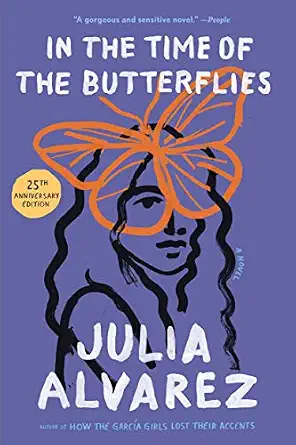
“In the Time of the Butterflies” fictionalizes the lives of the Mirabal sisters, four Dominican women living under Rafael Trujillo’s dictatorship. As three of the sisters become involved in resistance work, the novel asks students to think about courage, censorship, and how national events reshape individual lives.
Use this Novel Study to have students connect historical fiction to questions about real political systems, resistance, and personal conviction. The supporting resources build context about Trujillo and Las Mariposas, examine how people speak out under censorship, and compare different forms of courage across history.
Newsela ELA resources
Pair the Novel Study with articles, videos, and poetry that build context for the Mirabal sisters, Trujillo’s dictatorship, censorship, resistance, and the roles of ritual and courage in the novel.
Open Novel StudyOpen each group for historical context, paired texts, and resources that support analysis of censorship, resistance, ritual, and courage.
| Resource | Reading Level / Runtime | Why this resource? | Spanish? |
|---|---|---|---|
| Julia AlvarezVideo | 2:33 | Introduces Alvarez’s background and helps students think about why she returns to Dominican history through fiction. | |
| The Trujillo dictatorship in the Dominican RepublicArticle | 600L–1390L | Builds historical context for the fear, surveillance, and political pressure that shape the sisters’ lives. | ✓ Yes |
| How the Mirabal sisters helped topple a dictatorArticle | 800L–1360L | Gives students direct historical background on Las Mariposas before they analyze Alvarez’s fictionalized version of their lives. | ✓ Yes |
| Who were Las Mariposas, and why were they murdered?Video | 5:57 | Helps students understand the sisters’ nickname, their resistance work, and why their deaths became historically significant. |
Scroll left to right to see the full table.
| Resource | Reading Level / Runtime | Why this resource? | Spanish? |
|---|---|---|---|
| Student poetry contest in China becomes unexpected outlet for dissentArticle | 610L–1390L | Gives students a modern example of coded expression under pressure so they can discuss how people speak out when open criticism is dangerous. | |
| Scholars discuss Tiananmen Square massacre’s 25th anniversaryArticle | 790L–1160L | Supports discussion of censorship, memory, and why governments may try to control how people remember public violence. |
Scroll left to right to see the full table.
| Resource | Reading Level / Runtime | Why this resource? | Spanish? |
|---|---|---|---|
| Zoom Shabbat, drive-through confessional: Faith during coronavirusArticle | 590L–1570L | Helps students discuss how faith, community, and rituals can sustain people during fear, isolation, and adversity. | ✓ Yes |
| “Songs for the People”: A poem by Frances Ellen Watkins HarperPoem | Gives students a paired poem for comparing how art, song, and collective voice can express hope during struggle. |
Scroll left to right to see the full table.
| Resource | Reading Level / Runtime | Why this resource? | Spanish? |
|---|---|---|---|
| The woman whose words inflamed the American RevolutionArticle | 530L–1300L | Gives students another example of a woman whose words and convictions influenced resistance during a historical crisis. | ✓ Yes |
| Josephine Baker’s daring double life as a World War II spyArticle | 560L–1400L | Helps students compare public performance, private risk, and different forms of courage under threat. | |
| Nobel laureate Malala and Afghan novelist show the power of wordsArticle | 440L–1180L | Connects the Mirabal sisters’ courage to modern examples of women using words, education, and public voice to challenge oppression. |
Scroll left to right to see the full table.
“The Book of Unknown Americans” follows Latin American immigrant families living in the same Delaware apartment complex. At the center of the novel are Maribel and Mayor, whose relationship develops while their families navigate prejudice, sacrifice, and the gap between the American Dream and daily life.
Use this Novel Study to have students compare immigration, belonging, relationships, and socioeconomic pressure to character perspective. The supporting resources help them build immigration context, evaluate the American Dream, and discuss healthy relationships and safety.

Newsela ELA resources
Pair the Novel Study with articles, a fact sheet, videos, and poems that support lessons on immigration, the American Dream, relationships, family finances, and community belonging.
Open Novel StudyOpen each group to explore historical context, immigration and belonging, healthy relationships, financial challenges, and paired poetry.
| Resource | Reading Level / Runtime | Why this resource? | Spanish? |
|---|---|---|---|
| Workers, strivers, huddled masses: Immigration in AmericaArticle | 560L–1260L | Builds historical context for why people immigrate, how newcomers have been treated, and what challenges the Riveras and their neighbors may face. | ✓ Yes |
| Key findings about U.S. immigrantsFact Sheet | 630L–1340L | Gives students current-facing data they can use to discuss immigration patterns, public perception, and the novel’s many immigrant perspectives. | |
| What we’re missing in the debate about immigrationVideo | 7:56 | Prepares students to think beyond simplified immigration arguments before they analyze the families’ hopes and challenges. | |
| What is the American Dream?Explainer | 590L–1480L | Helps students define the American Dream before comparing the Riveras’ expectations with the reality they encounter. | |
| “Let America Be America Again”: A poem by Langston HughesPoem | 1066L | Gives students a literary comparison for evaluating whether America’s promises match the experiences of the Riveras and the Toros. |
Scroll left to right to see the full table.
| Resource | Reading Level / Runtime | Why this resource? | Spanish? |
|---|---|---|---|
| Students need to know how to say #MeToo: School officials make a planArticle | 590L–1430L | Supports careful discussion of assault, unwanted advances, and how teens can advocate for themselves and others. | |
| What healthy and unhealthy relationships look likeExplainer | 490L–1220L | Gives students language for analyzing boundaries, trust, safety, and how others misinterpret Maribel and Mayor’s relationship. | ✓ Yes |
Scroll left to right to see the full table.
| Resource | Reading Level / Runtime | Why this resource? | Spanish? |
|---|---|---|---|
| Ten years after banking crisis, Americans still feel ripplesArticle | 610L–1190L | Builds context for the financial pressure Arturo Rivera and Rafael Toro face and how hardship complicates the American Dream. | ✓ Yes |
| Bedtime stories capture the longing of deported parents and their childrenArticle | 480L–1240L | Helps students discuss longing, separation, and the emotional cost of trying to sustain family connection across borders. | ✓ Yes |
| “No Cookbooks Allowed”: Seattle pop-up dinners celebrate immigrant cooksArticle | 500L–1050L | Gives students a hopeful example of immigrant culture, work, and community being valued instead of treated as invisible. | ✓ Yes |
| “A place of safety” on stage: How music is helping immigrant studentsArticle | 540L–1190L | Connects the novel’s loneliness and belonging questions to a real example of students finding safety, voice, and community through art. |
Scroll left to right to see the full table.
| Resource | Reading Level / Runtime | Why this resource? | Spanish? |
|---|---|---|---|
| “Give us your tired, your poor”: The story of Emma LazarusBiography | 580L–1500L | Builds background on Lazarus before students evaluate how her vision of America compares with the Rivera family’s experiences. | ✓ Yes |
| “The New Colossus”: A poem by Emma LazarusPoem | Gives students the paired poem for comparing America’s symbolic welcome with the hopes and disappointments characters experience. |
Scroll left to right to see the full table.
“The House on Mango Street” uses short vignettes to follow Esperanza Cordero as she observes her Chicago neighborhood and begins to name what she wants from home, language, family, and her future. The novella’s compact structure makes it useful for close reading because each vignette carries image, voice, and emotion in a small space.
Use this Novel Study when you want students to connect coming of age to home, poverty, bilingualism, and identity. The supporting resources help them learn about Sandra Cisneros, examine the role of writing in expression, and compare poetry and other genres.

Newsela ELA resources
Use the Novel Study alongside author interviews, articles, poetry, and writing resources organized by teaching focus. Choose supporting texts and videos to pair with your discussions and assignments.
Open Novel Study| Resource | Reading Level / Runtime | Why this resource? | Spanish? |
|---|---|---|---|
| Writers: Sandra CisnerosVideo | 2:32 | Introduce Cisneros and her writing before students examine how home and short vignettes shape Esperanza’s story. | |
| Author Sandra Cisneros explains how writing is a therapyInterview | 500L–1050L | Connect Cisneros’s reflections on writing and memory to Esperanza’s growing confidence as a storyteller. | ✓ Yes |
Scroll left to right to see the full table.
| Resource | Reading Level / Runtime | Why this resource? | Spanish? |
|---|---|---|---|
| Gender stereotypes are firmly rooted by age 10: global studyArticle | 600L–1600L | Compare research on gender stereotypes with the expectations Esperanza notices for girls and women. | ✓ Yes |
| Want to raise an empowered girl? Then let her be funnyArticle | 580L–1150L | Discuss humor, confidence, and the ways girls can challenge expectations about how they should behave. | ✓ Yes |
| “Platform for Action” provides a road map to gender equalityArticle | 740L–1360L | Give students a broader context for discussing the restrictions and expectations that affect women throughout the novella. | ✓ Yes |
Scroll left to right to see the full table.
| Resource | Reading Level / Runtime | Why this resource? | Spanish? |
|---|---|---|---|
| Poet Amanda Gorman has a way with wordsArticle | 420L–700L | Compare how Gorman and Esperanza use language to express identity and connect with an audience. | |
| National Youth Poet Laureate says, “Your story is always going to be important”Article | 550L–1180L | Pair the poet’s message about telling your story with Esperanza’s search for her own voice. | |
| Salvadoran poet writes to humanize the immigrant storyArticle | 540L–1280L | Examine how a poet tells immigrant stories and challenges stereotypes, then compare that approach with Esperanza’s descriptions of her community. | ✓ Yes |
| “The U.S. of Us”: A poem by Richard BlancoPoem | 1230L | Compare Blanco’s imagery of national identity and belonging with Cisneros’s portrayal of home and place. |
Scroll left to right to see the full table.
| Resource | Reading Level / Runtime | Why this resource? | Spanish? |
|---|---|---|---|
| Opinion: Half of the world is bilingual, and America is behindArticle | 590L–1240L | Ask students to evaluate the article’s argument about bilingualism alongside the novella’s treatment of language and identity. | ✓ Yes |
| Fewer Latinos are speaking only Spanish at homeArticle | 560L–1150L | Use evidence about language use at home to question assumptions about bilingualism and discuss how schools respond to students’ language backgrounds. | ✓ Yes |
Scroll left to right to see the full table.
| Resource | Reading Level / Runtime | Why this resource? | Spanish? |
|---|---|---|---|
| The importance of an unhappy adolescenceVideo | 6:01 | Discuss how difficult experiences affect Esperanza’s adolescence and her understanding of herself. | |
| Someone to lean on arrives just as you need a friendArticle | 370L–950L | Compare the article’s ideas about friendship with the support Esperanza finds, needs, or misses. | ✓ Yes |
| Coming of ageVideo | 2:42 | Introduce the coming-of-age genre, then ask students where Esperanza’s story follows or challenges familiar patterns. | |
| How to write a personal narrativeExplainer | 570L–1070L | Help students plan a short personal narrative after examining how Cisneros builds meaning through individual vignettes. | ✓ Yes |
| Writing well: The elements of narrative writingExplainer | 570L–1080L | Give students narrative craft terms they can use when revising their own vignettes. | ✓ Yes |
Scroll left to right to see the full table.
“The Poet X” follows Xiomara Batista as she uses poetry to say what she can’t express at home, at school, or in church. Her poems give students a way to discuss voice, shame, pride, faith, family, and the courage it takes to claim your own words.
Use this Novel Study to have students connect novel-in-verse craft to identity, setting, and emotional expression. The supporting resources help build context about Harlem, study contemporary and classic poetry, and analyze how faith can both support and constrain people.

Newsela ELA resources
Pair the Novel Study with videos, articles, poems, and other texts organized by teaching focus. Choose resources to introduce the novel's verse form, examine how Xiomara finds her voice, and discuss the role of faith and family in her story.
Open Novel Study| Resource | Reading Level / Runtime | Why this resource? | Spanish? |
|---|---|---|---|
| Author Elizabeth Acevedo on writing a coming-of-age novel Video | 4:00 | Introduce Acevedo's writing process before students examine Xiomara's coming-of-age story and poetic voice. | |
| Novel in verse Video | 2:40 | Introduce the novel-in-verse format so students can examine how line breaks, imagery, and pacing shape Xiomara's story. | |
| Poetry and Fiction of the Harlem Renaissance Article | 600L–1570L | Build background knowledge about Harlem's literary history and compare the role of poetry and self-expression across different eras. | ✓ Yes |
| Kids are using their poetry in new ways to make their voices heard Article | 400L–970L | Compare how young people use poetry to speak publicly with Xiomara's growing confidence in sharing her writing. | ✓ Yes |
Scroll left to right to see the full table.
| Resource | Reading Level / Runtime | Why this resource? | Spanish? |
|---|---|---|---|
| Instapoets and bards of YouTube are going viral—and some poets hate it Article | 580L–1150L | Discuss how social media changes the way poets reach an audience and why writers may have different opinions about sharing their work publicly. | |
| Poet Amanda Gorman has a way with words Article | 420L–700L | Compare how Gorman and Xiomara use poetry, performance, and language to express identity and connect with an audience. | |
| Doctors recognizing that reading, writing can be therapeutic Article | 680L–1310L | Connect writing as a way to process emotions with the thoughts and feelings Xiomara expresses through her poetry. | ✓ Yes |
| “A Short Note to My Very Critical and Well-Beloved Friends and Comrades”: A poem by June Jordan Poem | Pair this poem with Xiomara's writing to examine direct address, criticism, community, and the relationship between a speaker and an audience. |
Scroll left to right to see the full table.
| Resource | Reading Level / Runtime | Why this resource? | Spanish? |
|---|---|---|---|
| “darkskin”: A poem by Maren Lovey Wright-Kerr Poem | 1400L | Compare how speakers use imagery and language to explore identity, confront shame, and express pride in themselves. | |
| “Absolute”: A poem by Jacqueline Woodson Poem | 1000L | Compare the speakers' reflections on growing up and how personal experiences shape their understanding of themselves. | |
| Coming of age Video | 2:42 | Introduce the coming-of-age genre, then track how Xiomara's confidence, choices, and sense of identity change throughout the novel. |
Scroll left to right to see the full table.
| Resource | Reading Level / Runtime | Why this resource? | Spanish? |
|---|---|---|---|
| The Book of Genesis: Judeo-Christian Origin Story Explainer | 490L–920L | Build background knowledge about biblical stories and imagery that students may recognize in Xiomara's questions about faith. | |
| St. Paul's First Letter to the Corinthians Letter | 480L–1160L | Compare religious ideas about love, gender, obedience, and acceptance with the expectations Xiomara encounters at home. | |
| Interfaith fourth-graders bond through poetry, art and Steph Curry Article | 500L–1180L | Show how poetry and art can help people connect across religious differences, offering another perspective on faith and community. | ✓ Yes |
| Native Americans and freedom of religion Article | 620L–1280L | Introduce a broader discussion of religious freedom and cultural identity. Students can distinguish questions of personal belief from conflicts involving religious authority. | ✓ Yes |
| Faith groups increasingly join fight against climate change Article | 620L–1430L | Examine how faith can motivate public action, offering a contrast to Xiomara's experiences of religious pressure and constraint. |
Scroll left to right to see the full table.
“With the Fire on High” follows Emoni Santiago, a talented young cook who is balancing high school, work, family responsibilities, and motherhood. When a culinary arts opportunity pushes her to imagine a bigger future, Emoni has to decide how to pursue her dreams without ignoring the people who depend on her.
Use the Novel Study when you want to draw connections between food, creativity, identity, and ambition. The supporting resources help students explore how cooking can carry memory and culture, examine the obstacles people face when reaching for a dream, and analyze the character traits that keep Emoni moving forward.

Newsela ELA resources
Use the Novel Study with supporting texts organized around Emoni's choices, cooking, and plans for her future. Each group gives you options for building context or extending a discussion.
Open Novel Study| Resource | Reading Level / Runtime | Why this resource? | Spanish? |
|---|---|---|---|
| Author Elizabeth Acevedo on writing a coming-of-age novelVideo | 4:00 | Introduce Acevedo's approach to coming-of-age stories before students examine Emoni's decisions, growth, and narrative voice. | |
| How YA fiction came to beVideo | 5:43 | Build background knowledge about young adult fiction, then discuss how Emoni's responsibilities and ambitions fit the genre. | |
| Book Review: “With the Fire on High” is poetic and perfect for foodiesReview | 540L–1070L | Preview the novel's premise, characters, and food-centered themes, or use the review to examine how a critic evaluates a book. |
Scroll left to right to see the full table.
| Resource | Reading Level / Runtime | Why this resource? | Spanish? |
|---|---|---|---|
| Careers: Chef or head cookJob Profile | 590L–1260L | Compare the responsibilities and skills of professional chefs with Emoni's talents and culinary career goals. | |
| Students cook up food, opportunity with culinary arts program in MinnesotaArticle | 580L–1290L | Examine how a culinary arts program helps students develop practical skills and pursue opportunities similar to Emoni's goals. | |
| Chef Michael Twitty is finding himself through African and Southern foodsArticle | 620L–1280L | Compare how Twitty and Emoni connect cooking with family history, cultural identity, and personal memories. | ✓ Yes |
| “No Cookbooks Allowed”: Seattle pop-up dinners celebrate immigrant cooksArticle | 500L–1050L | Discuss how recipes and cooking traditions preserve cultural knowledge, then connect those ideas to Emoni's creativity in the kitchen. | ✓ Yes |
Scroll left to right to see the full table.
| Resource | Reading Level / Runtime | Why this resource? | Spanish? |
|---|---|---|---|
| A 99-year-old veteran walks his garden to raise money to fight pandemicArticle | 610L–1270L | Examine an example of creative fundraising and perseverance, then compare it with Emoni's efforts to raise money for Spain. | |
| Young activists raise money to save rain forestsArticle | 370L–1000L | Explore how young people organize support and raise funds for a goal. Compare their strategies with Emoni's fundraising challenge. | ✓ Yes |
| Some Olympic athletes can hardly afford to competeArticle | 540L–1120L | Discuss how financial barriers can limit opportunities, even for talented people, and what support Emoni needs to pursue her goals. |
Scroll left to right to see the full table.
| Resource | Reading Level / Runtime | Why this resource? | Spanish? |
|---|---|---|---|
| How to establish boundariesExplainer | 440L–940L | Give students language for examining how Emoni balances her own needs with family responsibilities and relationships. | ✓ Yes |
| What healthy and unhealthy relationships look likeExplainer | 490L–1220L | Use examples of trust, communication, and respect to analyze Emoni's relationships and the support she receives. | ✓ Yes |
Scroll left to right to see the full table.
| Resource | Reading Level / Runtime | Why this resource? | Spanish? |
|---|---|---|---|
| How to write a resume (for college students)Video | 8:48 | Prepare students to translate Emoni's cooking experience, responsibilities, and strengths into resume language. | |
| How to write a resumeExplainer | 560L–1030L | Use a written guide to identify transferable skills and experience students could include in a resume written from Emoni's perspective. | ✓ Yes |
| Avoid these major mistakes when writing a cover letter for your job searchArticle | 600L–1160L | Ask students to write a cover letter from Emoni's perspective, using specific moments from the novel to show her qualifications. | ✓ Yes |
Scroll left to right to see the full table.
Hispanic Heritage Month is a great time to highlight Hispanic voices, but these stories can support strong ELA instruction well beyond September and October. As you browse these novel and book selections, think about the context students will need before they read and the conversations you want them to have after.
With Newsela ELA, you can pair every novel with leveled texts, videos, and other multimodal resources that build the background knowledge students need to understand the story and write about it with evidence.
Not a Newsela customer yet? You can create an account and start your free 45-day trial of our premium products to see everything the Newsela Learning Suite has to offer.


Use these Hispanic Heritage Month lesson plans to help students explore authors, poetry, paired texts, and Hispanic culture in ELA.
%20(1).jpg)
Use Hispanic Heritage Month STEM activities to teach about Hispanic scientists, space exploration, ecology, and science careers.
.jpg)
Use these Hispanic Heritage Month ideas for school to teach identity, culture, geography, civic action, and history in social studies.


.jpg)
.jpg)