
Products

 Products Overview
Newsela products are purpose-built to unlock student motivation, inspire teachers, and drive long-lasting learning outcomes.









Resources
About
Products OverviewNewsela products are purpose-built to unlock student motivation, inspire teachers, and drive long-lasting learning outcomes.

You can encourage Halloween reading with more than just a one-off spooky story. The right book can help students study suspense, fantasy, or mystery while still leaning into the atmosphere of the season.
Use this list to find Halloween books by grade band, then pair each title with the Newsela ELA novel or book study that supports background knowledge, discussion, literary analysis, and writing.
Elementary Halloween books don’t need to be horror-heavy to feel seasonal. These titles give them room to explore themes such as fantasy, bravery, friendship, imagination, and just enough mystery for a Halloween reading list.
“The Witches” works well when you want a Halloween book that feels eerie, imaginative, and classroom-ready for elementary ELA. This novel study gives students background on Roald Dahl, fantasy as a genre, and story details like witches, mice, candy, and magic, so they can talk about how an author makes ordinary things feel strange.
Use this one when your goal is seasonal reading with real craft work: Setting, author, background, fantasy conventions, character motivation, and the line between scary and playful.

Newsela ELA Novel Study
Use this Novel Study to connect Roald Dahl’s fantasy world to author background, setting, story details, and character motivation.
Open Novel StudyOpen each group to find videos, articles, fiction, and background-building resources that connect to the novel’s themes and topics.
| Resource | Runtime / Reading Level | Why this resource? | Spanish? |
|---|---|---|---|
| Great authors: Roald DahlVideo | 12:10 | Introduces Dahl’s life and work before students analyze how his style shapes the novel. | |
| Five Facts about Roald DahlVideo | 3:09 | Gives students a quick author-background entry point before reading or discussion. | |
| How fantasy reflects our worldVideo | 5:59 | Helps students see fantasy as more than make-believe by connecting imagined worlds to real ideas. | |
| Authors: Roald DahlBiography | 550L–1050L | Supports author study and gives students leveled nonfiction context for Dahl’s work. | ✓ Yes |
| Wizzpopping worlds collide at Roald Dahl MuseumArticle | 380L–1000L | Extends author background with a real-world look at how Dahl’s stories continue to reach readers. | |
| Countries of the World: NorwayCountry Profile | 360L–910L | Builds setting and cultural background connected to the novel’s Norwegian elements. | |
| Countries of the World: United KingdomCountry Profile | 340L–1000L | Gives students place-based context for reading and talking about the story world. |
Scroll left to right to see the full table.
| Resource | Runtime / Reading Level | Why this resource? | Spanish? |
|---|---|---|---|
| Big Questions: Why does sugar taste so good?Article | 370L–940L | Connects to the novel’s candy details while giving students a nonfiction science angle. | ✓ Yes |
| The life and times of a Japanese candy artistArticle | 400L–1000L | Offers a creative real-world connection to candy, craft, and the small details that shape stories. | |
| Mice infested human settlements 15,000 years agoArticle | 380L–1010L | Builds background for one of the novel’s most important magical transformations. | |
| Hansel and GretelFiction | 780L–1050L | Gives students a familiar witch story for comparing danger, temptation, and fairy-tale patterns. | ✓ Yes |
Scroll left to right to see the full table.
| Resource | Runtime / Reading Level | Why this resource? | Spanish? |
|---|---|---|---|
| All-female team at Daytona “racing for something bigger than wins”Article | 530L–1240L | Helps students discuss courage, identity, and what motivates people to act. | |
| Broadway’s “Wicked” welcomes a pioneering good witch, Brittney JohnsonArticle | 620L–1160L | Gives students another “witch” text to compare character labels, stereotypes, and point of view. | ✓ Yes |
Scroll left to right to see the full table.
“Coraline” is a strong Halloween book for elementary ELA when you want students to talk about bravery without pretending fear isn’t part of the story. The novel study connects the themes of imagination, storytelling, family relationships, and growth.
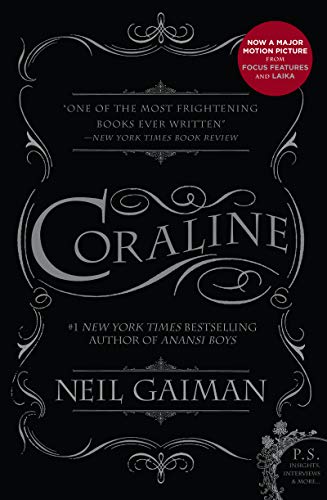
Newsela ELA Novel Study
Use this Novel Study to connect Coraline’s eerie fantasy world to imagination, storytelling, bravery, family relationships, and growing up.
Open Novel StudyOpen each group to find videos, articles, biographies, and fiction that connect to the novel’s essential questions.
| Resource | Runtime / Reading Level | Why this resource? | Spanish? |
|---|---|---|---|
| The neuroscience of imaginationVideo | 4:48 | Helps students connect Coraline’s imagination to what the brain does when people picture possibilities. | |
| “The Story-teller”: A story by SakiFiction | 950L–1090L | Gives students another story to compare how authors use storytelling to surprise, unsettle, or challenge readers. | ✓ Yes |
| Bedtime stories capture the longing of deported parents and their childrenArticle | 480L–1240L | Shows how stories can help families stay connected, even through separation and difficult change. | ✓ Yes |
Scroll left to right to see the full table.
| Resource | Runtime / Reading Level | Why this resource? | Spanish? |
|---|---|---|---|
| Puberty and parent problems: How “Turning Red” tackles growing up with a cultural spinArticle | 600L–1300L | Helps students compare how fantasy can make family conflict and growing up easier to discuss. | ✓ Yes |
| How bored families are getting through the coronavirus lockdownArticle | 550L–1490L | Gives students a real-world way to talk about family routines, boredom, closeness, and tension. | ✓ Yes |
Scroll left to right to see the full table.
| Resource | Runtime / Reading Level | Why this resource? | Spanish? |
|---|---|---|---|
| A bit of stress may help young people build resilienceArticle | 470L–920L | Supports discussion about how challenging moments can help a character grow. | |
| Rita Moreno on bravery (still hard), her journey (not over), importance of listeningArticle | 480L–820L | Gives students a real person’s reflection on bravery to compare with Coraline’s choices. | ✓ Yes |
| Civil Rights Activists: Harriet TubmanBiography | 480L–1080L | Builds a concrete example of courage that students can use when defining bravery. | ✓ Yes |
| The Explorers: Amelia EarhartBiography | 580L–1190L | Offers another biography students can use to compare risk-taking, independence, and courage. | ✓ Yes |
| Obama honors Civil War hero with Medal of HonorArticle | 690L–1230L | Extends the bravery question with a historical example of courage under pressure. | |
| Coming UpFiction | 690L–800L | Gives students a short fiction pairing for talking about change, growth, and facing what comes next. | ✓ Yes |
| The Dark TreeFiction | 520L–570L | Pairs well with Coraline for close reading about fear, mood, and how characters respond to the unknown. | ✓ Yes |
Scroll left to right to see the full table.
“The BFG” gives elementary readers a Halloween-friendly fantasy that feels more magical than frightening. This novel study connects Dahl’s novel to themes like friendship, dreams, communication, and the way fantasy can help students talk about real ideas through playful story details.
Use this one when you want students to study fantasy conventions, author background, and theme without moving into full horror. It also gives you a way to invite conversations about friendship, listening, and how characters make meaning from dreams and imagination.

Newsela ELA Novel Study
Use this Novel Study to connect Dahl’s fantasy world to friendship, dreams, communication, and the imaginary places writers create.
Open Novel StudyOpen each group to find videos, articles, explainers, biographies, and fiction that connect to the novel’s themes and topics.
| Resource | Runtime / Reading Level | Why this resource? | Spanish? |
|---|---|---|---|
| Great authors: Roald DahlVideo | 12:10 | Introduces Dahl’s life and work before students study his playful approach to fantasy. | |
| Five Facts about Roald DahlVideo | 3:09 | Gives students a quick author-background entry point before reading or discussion. | |
| How fantasy reflects our worldVideo | 5:59 | Helps students connect Dahl’s invented world to real ideas, feelings, and choices. | |
| Authors: Roald DahlBiography | 550L–1050L | Supports author study with leveled nonfiction context for Dahl’s life and writing. | ✓ Yes |
| How writers map their imaginary worldsExplainer | 420L–1120L | Shows students how writers build places that feel believable, even when they are invented. | ✓ Yes |
| Re-enchanting the world with performing arts: stories from CambodiaArticle | 580L–1330L | Extends the idea of story worlds by showing how performance can preserve imagination and culture. | ✓ Yes |
| Classic adventure stories inspire new “Definitely Dominguita” seriesArticle | 380L–870L | Connects Dahl’s adventure-driven fantasy to the way classic stories can inspire new writing. |
Scroll left to right to see the full table.
| Resource | Runtime / Reading Level | Why this resource? | Spanish? |
|---|---|---|---|
| How to be a good friendExplainer | 520L–1090L | Helps students define friendship before analyzing Sophie and the BFG’s relationship. | ✓ Yes |
| How to communicate effectivelyExplainer | 390L–990L | Supports discussion about listening, understanding, and building trust across differences. | ✓ Yes |
| How ears workExplainer | 370L–940L | Adds nonfiction context for the BFG’s extraordinary hearing and the role listening plays in the story. | ✓ Yes |
Scroll left to right to see the full table.
| Resource | Runtime / Reading Level | Why this resource? | Spanish? |
|---|---|---|---|
| Big Questions: Why do we dream?Article | 430L–940L | Gives students nonfiction background for talking about dreams as both science and story material. | |
| The Secret of InvisibilityFiction | 480L | Offers a short fiction pairing for comparing magic, imagination, and unusual abilities. | ✓ Yes |
| The Land of LaughterFiction | 610L–700L | Pairs with the novel’s playful tone and helps students compare how writers make imagined places feel alive. | ✓ Yes |
Scroll left to right to see the full table.
“The Wizard of Oz” gives elementary ELA students a Halloween-friendly fantasy with witches, magic, friendship, courage, and the search for him. The novel study connects classic literature to values like perseverance and self-confidence.
Use this one when you want a seasonal-feeling book that still opens into strong ELA questions, like: What makes a story last? How do friends help characters through hard moments? What does “home” mean to different people?
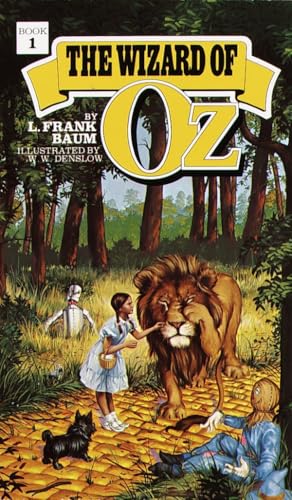
Newsela ELA Novel Study
Use this Novel Study to connect Dorothy’s journey to friendship, perseverance, self-confidence, classic literature, and the meaning of home.
Open Novel StudyOpen each group to find videos, articles, poems, fiction, and visual texts that connect to the novel’s essential questions.
| Resource | Runtime / Reading Level | Why this resource? | Spanish? |
|---|---|---|---|
| Does “The Wonderful Wizard of Oz” have a hidden message?Video | 4:43 | Helps students consider how readers can interpret a classic story in more than one way. | |
| What makes “The Wonderful Wizard of Oz” a classic?Video | 3:08 | Gives students a direct entry point for discussing why some stories last across generations. | |
| Stolen ruby slippers from “Wizard of Oz” recovered by FBIArticle | 390L–1230L | Shows how objects connected to the Oz story still hold cultural meaning for readers and viewers. | |
| Lost for decades, Dorothy’s dress from “The Wizard of Oz” is up for saleArticle | 470L–1450L | Connects the novel’s legacy to adaptation, memory, and why familiar story symbols matter. | |
| Broadway’s “Wicked” welcomes a pioneering good witch, Brittney JohnsonArticle | 620L–1160L | Lets students compare how Oz-inspired stories can shift point of view, character roles, and audience expectations. | ✓ Yes |
Scroll left to right to see the full table.
| Resource | Runtime / Reading Level | Why this resource? | Spanish? |
|---|---|---|---|
| Friends can improve health and well-being, especially during the holidaysArticle | 560L–1230L | Builds real-world background for discussing how friendship can support characters through uncertainty. | ✓ Yes |
| Someone to lean on arrives just when you need a friendArticle | 370L–950L | Helps students connect Dorothy’s companions to the support people offer in difficult moments. | ✓ Yes |
| In building friendships, empathy seems to be keyArticle | 540L–1280L | Gives students language for analyzing empathy among Dorothy, the Scarecrow, the Tin Woodman, and the Cowardly Lion. | ✓ Yes |
| “Instructions on Not Giving Up”: A poem by Ada LimónPoem | Pairs with the journey structure of the novel and supports discussion about persistence. | ||
| Why the Evergreens Keep their leavesFiction | 580L–620L | Gives students a shorter fiction text for comparing friendship, help, and perseverance. | ✓ Yes |
| Born without hands, 10-year-old wins handwriting competitionArticle | 380L–1000L | Offers a real-world example of perseverance students can compare with challenges in the novel. | ✓ Yes |
Scroll left to right to see the full table.
| Resource | Runtime / Reading Level | Why this resource? | Spanish? |
|---|---|---|---|
| Why everyone is insecure (and why that’s OK)Article | 460L–1270L | Supports discussion about characters who believe they are missing something important. | ✓ Yes |
| Building self-confidenceExplainer | 510L–980L | Gives students practical language for talking about courage, self-belief, and character change. | ✓ Yes |
| “No place does me like Lagos”Cartoon | 1080L | Lets students compare Dorothy’s idea of home with another text’s place-based view of belonging. | |
| Colorful fabric structures at Smithsonian explore what home meansArticle | 390L–990L | Helps students expand the “home” question beyond the novel and into art, culture, and memory. | ✓ Yes |
Scroll left to right to see the full table.
Middle school Halloween books can carry more suspense, mystery, and emotional weight. These titles give students room to study ghost stories, fantasy, and coming-of-age without losing the seasonal feel.
“The Graveyard Book” is a strong middle-school Halloween book for studying suspense, ghost-story traditions, and coming of age. The novel study connects history, poetry, and questions about ghosts or the afterlife.
Use this one when students are ready to look at how eerie settings do more than create mood. The supporting resources help them trace the suspense, compare cultural ideas about supernatural stories, and consider how a community shapes a character.

Newsela ELA Book Study
Use this Book Study to connect Bod’s story to suspense, ghost-story traditions, identity, community, compassion, and coming of age.
Open Book StudyOpen each group to find videos, fiction, articles, explainers, and poems that connect to the book’s essential questions.
| Resource | Runtime / Reading Level | Why this resource? | Spanish? |
|---|---|---|---|
| Mystery genreVideo | 2:34 | Introduces mystery conventions before students study how Gaiman builds suspense. | |
| The Red RoomFiction | 980L–1140L | Gives students a classic eerie story to compare mood, setting, and suspense. | ✓ Yes |
| “The House of Memories”: A story by Nino KotolashviliFiction | 570L | Pairs well with the novel for talking about memory, setting, and how a story can feel haunted. | |
| The Tell-Tale HeartFiction | 820L–850L | Lets students compare suspense, narration, fear, and the way tension builds in short fiction. | ✓ Yes |
| Rising action in literatureArticle | 520L–1130L | Gives students craft language for tracking how conflict and suspense increase. | ✓ Yes |
| Falling action in literatureArticle | 600L–1130L | Helps students analyze how events settle after the story’s most intense moments. | ✓ Yes |
Scroll left to right to see the full table.
| Resource | Runtime / Reading Level | Why this resource? | Spanish? |
|---|---|---|---|
| How the dead danced with the living in medieval societyArticle | 600L–1300L | Builds background for discussing how stories about death reflect cultural beliefs. | ✓ Yes |
| The Aztec roots of the Day of the DeadVideo | 6:10 | Helps students compare cultural traditions connected to memory, death, and the afterlife. | |
| Ghost Stories of Ancient China: Beware of Po, HunArticle | 540L–1240L | Gives students another cultural lens for studying ghosts and supernatural beings. | |
| How the Ancient Egyptians Shaped the World’s View of Life After DeathArticle | 540L–1370L | Extends the afterlife question with historical background students can compare to the novel. |
Scroll left to right to see the full table.
| Resource | Runtime / Reading Level | Why this resource? | Spanish? |
|---|---|---|---|
| What is a boundary?Explainer | 580L–1080L | Supports discussion about safety, freedom, and the limits that shape Bod’s life. | ✓ Yes |
| Sharing food leavens grief with vivid memories of loved onesArticle | 580L–1280L | Gives students a real-world connection for talking about grief, memory, and compassion. | ✓ Yes |
| Why tough times can create better neighborsArticle | 560L–1240L | Helps students connect the novel’s graveyard community to care, connection, and mutual support. | |
| “If”: A poem by Rudyard KiplingPoem | Pairs with the coming-of-age thread as students think about maturity, choices, and self-control. | ||
| “Season of Change”: A poem by C.L. ClickardPoem | Gives students a shorter text for discussing change, growth, and moving into a new stage of life. |
Scroll left to right to see the full table.
“How I Became a Ghost” brings the ghost-story frame into historical fiction. It ties the spooky element to memory, survival, and the Trail of Tears. The novel study connects the themes of ghost stories, history, government policies, Indigenous history, and Choctaw folklore.
Use this one when students are ready for a Halloween book that asks more of them than just noticing suspense. The supporting resources help students build historical context, compare folklore and poetry, and talk carefully about how the past can shape the present.
Newsela ELA Novel Study
Use this Novel Study to connect ghost-story structure with historical fiction, Choctaw history, folklore, poetry, and discussion about how the past stays present.
Open Novel StudyOpen each group to find videos, fiction, articles, primary sources, mythology, and poems that connect to the book’s essential questions.
| Resource | Reading Level / Runtime | Why this resource? | Spanish? |
|---|---|---|---|
| Historical fictionVideo | 2:46 | Introduces genre conventions so students can see how the novel carries history through a ghost narrator. | |
| The Ghost of Harpers FerryFiction | 830L–870L | Gives students another ghost story for comparing setting, voice, and how the past stays present. | ✓ Yes |
| Blackbeard’s GhostFiction | 940L–1060L | Offers another supernatural fiction pairing for comparing how ghost stories can entertain while preserving history. | ✓ Yes |
Scroll left to right to see the full table.
| Resource | Reading Level / Runtime | Why this resource? | Spanish? |
|---|---|---|---|
| Expansion and Reform: The Indian Removal ActExplainer | 550L–1220L | Builds background on U.S. government policy before students discuss the forced removal at the center of the novel. | ✓ Yes |
| Tribal FeverArticle | 600L–1320L | Adds historical context for disease, survival, and the human cost of removal. | |
| Primary Sources: A Soldier’s Account of the Cherokee Trail of TearsLetter | 560L–1280L | Gives students a primary-source perspective for discussing how the Trail of Tears was witnessed and recorded. | ✓ Yes |
| Why the Choctaw people sent their meager funds to IrelandArticle | 580L–1360L | Shows Choctaw generosity and historical connection after removal, extending students’ understanding of community and memory. | ✓ Yes |
Scroll left to right to see the full table.
| Resource | Reading Level / Runtime | Why this resource? | Spanish? |
|---|---|---|---|
| How Grandmother Spider Brought Fire: a Choctaw origin storyMyth/Legend | 540L–730L | Connects the novel to Choctaw story traditions, symbols, and cultural beliefs. | ✓ Yes |
| “The Panther”: A poem by Rainer Maria RilkePoem | 1080L | Lets students compare how animal imagery can suggest power, confinement, or longing. | |
| “Gray Fox”: A poem by Robyn Hood BlackPoem | Gives students a nature poem for discussing observation, symbolism, and comfort in the natural world. | ||
| “The Eagle”: A poem by Alfred Lord TennysonPoem | 920L | Offers another animal-focused poem for connecting natural imagery with strength, distance, and perspective. |
Scroll left to right to see the full table.
“The House of Dies Drear” gives middle school readers a mystery that feels scary because the house has secrets. But the deeper work is historical. The novel study connects topics like the Underground Railroad, ghosts, exploration, artifacts, and preservation.
Use this one when students are ready for a Halloween book whose mystery opens into a real-world context. The supporting resources help students build background on the Underground Railroad, compare ghost stories, and think about why artifacts and historic places matter.
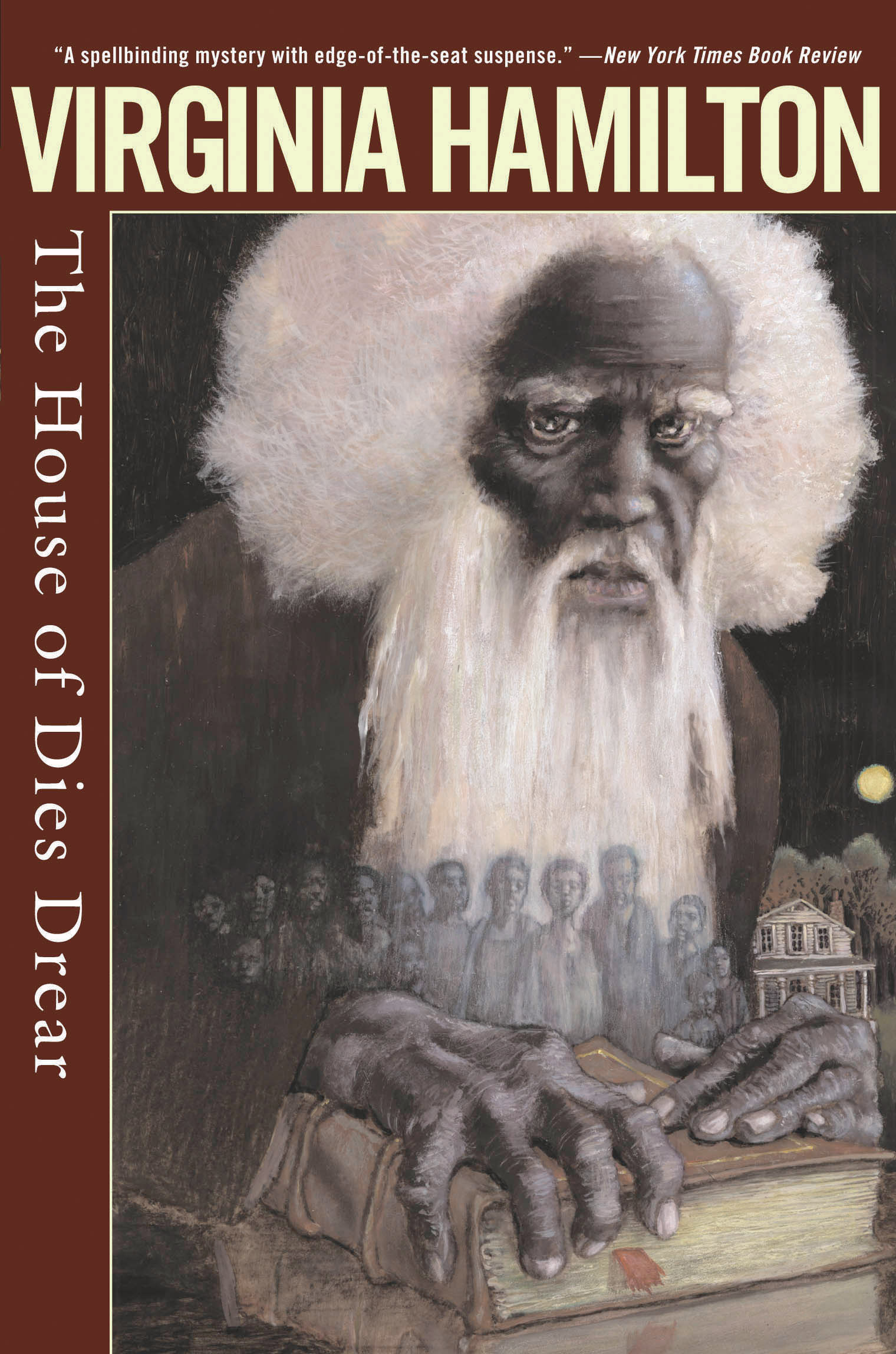
Newsela ELA Novel Study
Use this Novel Study to connect the book’s mystery and ghost-story elements to the Underground Railroad, historical memory, exploration, artifacts, and preservation.
Open Novel StudyOpen each group to find videos, articles, fiction, and artifact-focused resources that connect to the novel’s essential questions.
| Resource | Reading Level / Runtime | Why this resource? | Spanish? |
|---|---|---|---|
| What was the Underground Railroad?Video | 12:23 | Builds essential background before students discuss the hidden history connected to Dies Drear’s house. | |
| Apps and maps bring the Underground Railroad to life for studentsArticle | 550L–1250L | Shows students how mapping and technology can help people understand the routes and risks of the Underground Railroad. | |
| “Underground Railroad” quilt weaves Black liberation historyArticle | 590L–1160L | Connects the novel’s historical setting to material culture, symbolism, and how stories of liberation are preserved. |
Scroll left to right to see the full table.
| Resource | Reading Level / Runtime | Why this resource? | Spanish? |
|---|---|---|---|
| What mysteries could be unlocked by new Antikythera shipwreck finds?Article | 570L–1190L | Helps students connect curiosity, evidence, and unanswered questions to the appeal of mystery. | |
| Digging deep: Archaeology from the Silk Road in AfghanistanArticle | 540L–1000L | Gives students another way to think about exploration, discovery, and what the past can reveal. | |
| The science of ghostsArticle | 450L–950L | Supports discussion about why people are drawn to ghost stories and how fear can shape interpretation. | ✓ Yes |
| The Grateful GhostFiction | 970L–1090L | Offers a ghost-story pairing for comparing mood, mystery, and how supernatural stories carry meaning. | ✓ Yes |
| Blackbeard’s GhostFiction | 940L–1060L | Gives students another fiction text for comparing ghost-story conventions and mystery-driven suspense. | ✓ Yes |
Scroll left to right to see the full table.
| Resource | Reading Level / Runtime | Why this resource? | Spanish? |
|---|---|---|---|
| Artifacts: Raised Afro fist combVideo | Helps students think about how an artifact can carry identity, history, and cultural meaning. | ||
| Emmett Till’s Chicago house, other Black historical sites granted preservation fundsArticle | 650L–1640L | Connects the novel’s questions about historic places to real preservation work and public memory. | |
| A Black history museum’s artifacts tell their own powerful storiesArticle | 540L–1080L | Shows how artifacts can help people encounter the past through objects, stories, and evidence. |
Scroll left to right to see the full table.
“The Dark Is Rising” brings a Halloween atmosphere into middle school ELA through old magic, symbols, and a battle between the Light and the Dark. The novel study connects fantasy to symbolism, books and manuscripts, and traditions across time.
Use this one when you want students to treat fantasy as more than plot. The supporting resources let them compare symbols, read about books and manuscripts as cultural artifacts, study holiday traditions, and talk about what people can do when they stand together.

Newsela ELA Novel Study
Use this Novel Study to connect Susan Cooper’s fantasy to symbolism, books and manuscripts, traditions across time, and the power of community.
Open Novel StudyOpen each group to find videos, fiction, articles, and explainers that connect to the novel’s essential questions.
| Resource | Reading Level / Runtime | Why this resource? | Spanish? |
|---|---|---|---|
| SymbolismVideo | 2:06 | Introduces the literary concept students need as they track signs, objects, and repeated images in the novel. | |
| Fantasy genreVideo | 2:51 | Gives students shared language for talking about fantasy conventions before they analyze the book’s magical world. | |
| The OrbFiction | 700L–730L | Offers a short fiction pairing for comparing fantasy objects, quests, and how symbols can carry meaning. | ✓ Yes |
| The ActuarianFiction | 850L–870L | Lets students compare another imagined world with its own rules, tensions, and choices. | ✓ Yes |
Scroll left to right to see the full table.
| Resource | Reading Level / Runtime | Why this resource? | Spanish? |
|---|---|---|---|
| The story of booksArticle | 390L–930L | Builds background for discussing why books can preserve ideas, memory, and cultural knowledge. | ✓ Yes |
| Afterlife Etiquette Explained in the Ancient Egyptian “Book of the Dead”Article | 550L–1340L | Connects ancient texts, belief systems, and ritual knowledge to the novel’s interest in old powers and traditions. | ✓ Yes |
| Did a historian from Ecuador find the lost treasure of the Incas in a book?Article | 430L–1070L | Shows how books can become clues that help people search for lost history and hidden meaning. | ✓ Yes |
| Found: A medical manual linking medieval Ireland to the Islamic worldArticle | 560L–1400L | Helps students see how manuscripts can reveal connections between people, places, and time periods. |
Scroll left to right to see the full table.
| Resource | Reading Level / Runtime | Why this resource? | Spanish? |
|---|---|---|---|
| Where Christmas trees come fromExplainer | 560L–1320L | Supports discussion of seasonal traditions and how customs carry meaning across time. | ✓ Yes |
| The un-Christmassy origin of gingerbread housesArticle | 390L–990L | Gives students a concrete example of how familiar traditions can have older, stranger, or unexpected roots. | ✓ Yes |
| Untangling the history of Christmas lightsArticle | 430L–1120L | Connects the novel’s winter setting and Light-versus-Dark conflict to the history of seasonal symbols. | ✓ Yes |
Scroll left to right to see the full table.
| Resource | Reading Level / Runtime | Why this resource? | Spanish? |
|---|---|---|---|
| When disaster strikes, kids help this chef deliver food worldwideArticle | 500L–1070L | Gives students a real-world example of people helping others during crisis. | |
| A library in Haiti: a community effortArticle | 590L–1110L | Connects the power of books to community-building and collective action. | |
| Solar power’s benefits don’t shine equally on everyoneArticle | 560L–1580L | Helps students consider fairness, access, and what communities can do when resources are unevenly shared. |
Scroll left to right to see the full table.
“A Monster Calls” works well for middle school Halloween reading because the monster is tied to grief, guilt, dreams, and the truths characters avoid. The novel study explores storytelling, conflict, dreams, and growing up. Use this one when students are ready for a story that feels dark and fantastical yet prompts discussions about the human condition.
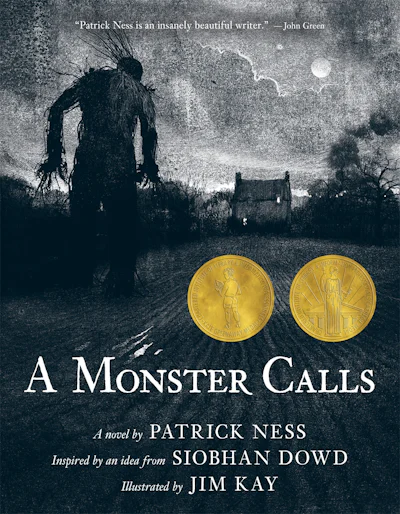
Newsela ELA Novel Study
Use this Novel Study to connect storytelling, conflict, dreams, grief, isolation, well-being, change, and growing up.
Open Novel StudyOpen each group to find videos, fiction, articles, explainers, and poems that connect to the novel’s essential questions.
| Resource | Reading Level / Runtime | Why this resource? | Spanish? |
|---|---|---|---|
| Types of conflict in literatureVideo | 2:42 | Gives students shared language for naming the internal and external conflicts that drive Conor’s story. | |
| The Changeling ChildFiction | 830L–890L | Offers a fiction pairing for comparing strange visitors, transformation, fear, and story structure. | ✓ Yes |
| “The Enchanted Pool”: A tale from JapanFiction | 750L–800L | Lets students compare how a tale can use the impossible to reveal something true about people. | ✓ Yes |
| SymbolismVideo | 2:06 | Introduces the literary concept students need as they track the monster, the yew tree, dreams, and repeated images. |
Scroll left to right to see the full table.
| Resource | Reading Level / Runtime | Why this resource? | Spanish? |
|---|---|---|---|
| What is dreaming?Explainer | 540L–1290L | Builds nonfiction background before students discuss what Conor’s dreams may reveal about his waking life. | ✓ Yes |
| Infecting our dreams: Pandemic sabotages sleep worldwideArticle | 570L–1250L | Shows how stress can affect dreams, giving students a real-world bridge into Conor’s nightmares. | |
| Truth in our dreams: The Surrealist art movementArticle | 590L–1420L | Helps students connect dreams, images, and hidden truths to the novel’s symbolic storytelling. | ✓ Yes |
Scroll left to right to see the full table.
| Resource | Reading Level / Runtime | Why this resource? | Spanish? |
|---|---|---|---|
| Loneliness makes our brains crave peopleArticle | 470L–950L | Supports discussion about how isolation affects people and why connection matters in the novel. | ✓ Yes |
| How to deal with the death of a loved oneExplainer | 430L–1010L | Gives students careful background for talking about grief, coping, and support. | ✓ Yes |
| Mental, emotional, social and spiritual healthExplainer | 470L–1190L | Helps students discuss well-being in a broader way as they analyze guilt, sadness, fear, and support. |
Scroll left to right to see the full table.
| Resource | Reading Level / Runtime | Why this resource? | Spanish? |
|---|---|---|---|
| “Season of Change”: A poem by C.L. ClickardPoem | Gives students a short poem for discussing change, transition, and emotional movement. | ||
| “Nothing Gold Can Stay”: A poem by Robert FrostPoem | 800L | Pairs with the novel’s questions about loss, beauty, and the painful truth that some things change. | |
| “Up-Hill”: A poem by Christina RossettiPoem | Supports discussion about struggle, endurance, and what people need during difficult journeys. | ||
| “Instructions on Not Giving Up”: A poem by Ada LimónPoem | Offers a hopeful pairing for talking about resilience without oversimplifying pain or grief. |
Scroll left to right to see the full table.
“Elatsoe” brings Halloween reading into middle school ELA through ghosts, magical realism, and a mystery that prompts students to reflect on justice. The novel study connects Darcie Little Badger’s novel to myths, folklore, beliefs about the afterlife, and real-world questions about accountability.
Use this one when you want the seasonal feel to support deeper discussion instead of staying at the level of “spooky.”

Newsela ELA Novel Study
Use this Novel Study to connect magical realism, folklore, Indigenous land rights, afterlife beliefs, and justice.
Open Novel StudyOpen each group to find videos, explainers, articles, myths, and legends that connect to the novel’s essential questions.
| Resource | Reading Level / Runtime | Why this resource? | Spanish? |
|---|---|---|---|
| What makes a hero?Video | 4:29 | Helps students name the kinds of courage and responsibility the novel asks them to notice. | |
| The function of justice and retribution in our societyExplainer | 610L–1230L | Gives students language for discussing justice, accountability, and what a community owes to people who have been harmed. |
Scroll left to right to see the full table.
| Resource | Reading Level / Runtime | Why this resource? | Spanish? |
|---|---|---|---|
| Magical realismExplainer | 570L–1310L | Builds genre context for discussing how supernatural elements carry real-world meaning. | ✓ Yes |
| What are folktales?Explainer | 460L–950L | Gives students background for talking about how stories preserve beliefs, warnings, and cultural knowledge. | ✓ Yes |
| How the Ancient Egyptians Shaped the World’s View of Life After DeathArticle | 540L–1370L | Offers a comparative afterlife text for discussing how cultures imagine death and what comes after. | |
| Hades, the Greek god of the underworldMyth/Legend | 580L–1530L | Adds a mythic underworld reference students can compare with the novel’s supernatural world. | |
| Ghost Stories of Ancient China: Beware of Po, HunArticle | 540L–1240L | Gives students another cultural lens for discussing ghosts, spirits, and beliefs about the dead. |
Scroll left to right to see the full table.
| Resource | Reading Level / Runtime | Why this resource? | Spanish? |
|---|---|---|---|
| The Apache of the Texas PanhandleArticle | 560L–1130L | Builds background related to Apache history and place before students discuss identity and community. | ✓ Yes |
| Indigenous land acknowledgement, explainedExplainer | 490L–1080L | Supports discussion of contemporary Indigenous land rights and why land acknowledgements matter. | ✓ Yes |
| Relearning the star stories of Indigenous peoplesArticle | 570L–1050L | Connects cultural knowledge, sky stories, and the way stories carry memory across generations. | ✓ Yes |
Scroll left to right to see the full table.
“Miss Peregrine’s Home for Peculiar Children” gives middle school readers a Halloween book with gothic mystery, family history, and the question of whether it’s better to stay unaware or discover the truth. The novel study connects to the theme of courage. World War II, family stories, and extraordinary worlds.
Use this one when students are ready to look at how the eerie parts of a story can reveal something real.
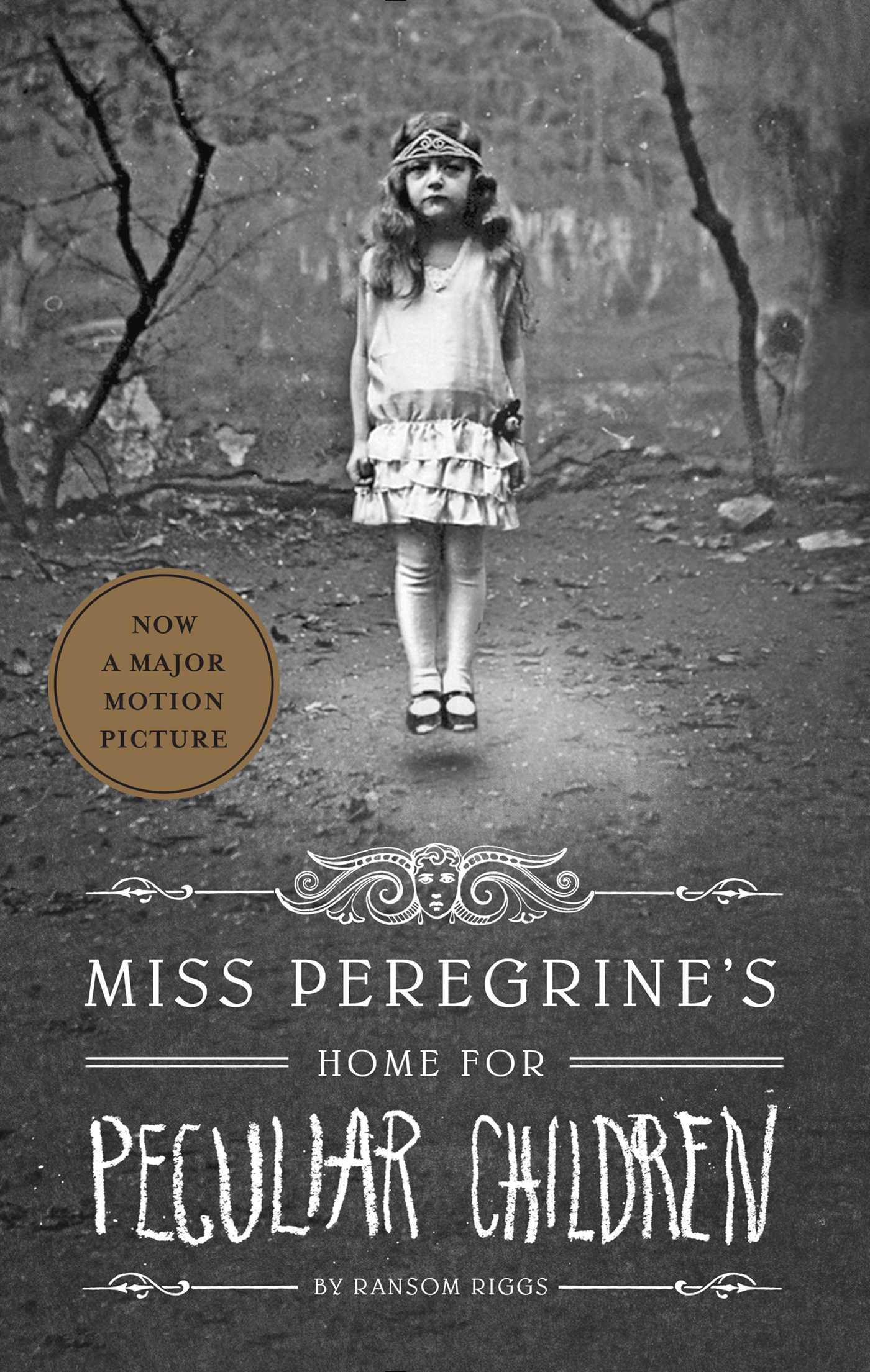
Newsela ELA Novel Study
Use this Novel Study to connect gothic mystery, courage, family history, World War II, hidden truth, resilience, and extraordinary worlds.
Open Novel StudyOpen each group to find videos, articles, and fiction that connect to the novel’s essential questions.
| Resource | Runtime / Reading Level | Why this resource? | Spanish? |
|---|---|---|---|
| World War IIVideo | 13:12 | Builds background for the historical truths underneath the novel’s monsters, memories, and family stories. | |
| StoryCorps turning Thanksgiving into an oral history projectArticle | 400L–1250L | Helps students think about how family stories are recorded, preserved, and passed down. | ✓ Yes |
| Mystery about family roots inspires writer in first novelArticle | 400L–1010L | Connects directly to the value of family history and how discoveries about the past can shape identity. | ✓ Yes |
Scroll left to right to see the full table.
| Resource | Runtime / Reading Level | Why this resource? | Spanish? |
|---|---|---|---|
| The ActuarianFiction | 850L–870L | Gives students another imagined world to compare with the novel’s unusual rules and hidden dangers. | ✓ Yes |
| Her Hands That Held the StarsFiction | 730L–800L | Pairs well with the novel for talking about wonder, difference, and how characters respond to the extraordinary. | ✓ Yes |
| A bit of stress may help young people build resilienceArticle | 470L–920L | Supports discussion about courage, pressure, and how difficult discoveries can push characters to grow. |
Scroll left to right to see the full table.
“The Westing Game” works well for middle school Halloween reading when you want mystery, clues, secrets, and suspense without moving into horror. This is a good choice to explore symbols, deceptive appearances, wealth, status, and happiness.
Use this one when students are ready to approach a mystery as both a puzzle and a character study.
Newsela ELA Novel Study
Use this Novel Study to connect mystery, symbols, deceptive appearances, chess, wealth, status, and happiness.
Open Novel StudyOpen each group to find videos, articles, and explainers that connect to the novel’s essential questions.
| Resource | Runtime / Reading Level | Why this resource? | Spanish? |
|---|---|---|---|
| Gruesome dollhouse death scenes reinvented murder investigationsArticle | 560L–1310L | Shows how careful observation and tiny details can shape an investigation. | |
| How the search for clues in Taylor Swift’s music became all-consumingArticle | 630L–1410L | Gives students a familiar way to talk about clue-hunting, interpretation, and reader attention. | |
| Mystery genreVideo | 2:34 | Introduces mystery conventions before students track clues, suspects, and red herrings. | |
| Sherlock Holmes and the tools of deductionArticle | 590L–1290L | Builds background for discussing deduction and how characters use evidence to solve a puzzle. |
Scroll left to right to see the full table.
| Resource | Runtime / Reading Level | Why this resource? | Spanish? |
|---|---|---|---|
| A brief history of chessVideo | 5:27 | Builds background for analyzing strategy, planning, and game-like structure in the novel. | |
| Meet America’s top-ranked female chess player: A teenagerArticle | 430L–980L | Gives students a real-world chess connection for discussing skill, patience, and strategy. | |
| 10-year-old boy who once lived in shelter achieves remarkable title: chess masterArticle | 570L–1160L | Offers another chess-related text for talking about persistence, focus, and unexpected success. | ✓ Yes |
| Cook County Jail detainees took on inmates around the world in online chess tournamentArticle | 560L–1010L | Helps students think about competition, strategy, and how games can connect people in unexpected places. |
Scroll left to right to see the full table.
| Resource | Runtime / Reading Level | Why this resource? | Spanish? |
|---|---|---|---|
| Why it’s unsettling that anything could be cake, according to scienceArticle | 600L–1120L | Gives students a playful entry point for talking about deceptive appearances and perception. | ✓ Yes |
| Income and wealth inequalityVideo | 10:15 | Builds context for the novel’s questions about money, power, opportunity, and fairness. | |
| Income inequalityIssue Overview | 540L–1270L | Gives students leveled background for discussing wealth, status, and social difference. | ✓ Yes |
| What is the American Dream?Article | 590L–1480L | Connects the inheritance plot to broader ideas about success, ambition, and opportunity. | |
| The 1 percent are much more satisfied with their lives than everyone else, survey findsArticle | 600L–1340L | Supports discussion about whether wealth and status actually lead to happiness. | ✓ Yes |
Scroll left to right to see the full table.
“The Strangers” gives middle school readers a suspenseful Halloween-adjacent mystery built around clues, cliffhangers, and hidden rooms. Use this one when you want the “mystery” energy of Halloween without horror.
This text set, created by Zoretta Sanders-Howard, a District Instructional Support Coach in Arkansas, asks students to make text-to-text connections, build background knowledge, and cite evidence as they think about teamwork and suspense.
Newsela ELA Text Set
Use this text set to connect suspense, cliffhangers, investigation, text-to-text connections, teamwork, and evidence-based analysis.
Open Text SetOpen each group to find videos, articles, explainers, and a job profile that connect to the text set’s essential questions.
| Resource | Runtime / Reading Level | Why this resource? | Spanish? |
|---|---|---|---|
| How to make your writing suspensefulVideo | 4:34 | Gives students craft language for noticing how cliffhangers, pacing, and unanswered questions keep readers turning pages. | |
| Mystery genreVideo | 2:34 | Introduces mystery conventions before students track clues, suspects, questions, and discoveries in the novel. | |
| Sherlock Holmes and the tools of deductionArticle | 590L–1290L | Builds background for discussing how characters use evidence, reasoning, and observation to solve a problem. | |
| Dream Jobs: Investigative journalistJob Profile | 390L–1000L | Connects investigation in fiction to a real-world job that depends on asking questions and following evidence. |
Scroll left to right to see the full table.
| Resource | Runtime / Reading Level | Why this resource? | Spanish? |
|---|---|---|---|
| California woman gone missing found by “junior detectives” on bicyclesArticle | 390L–1010L | Gives students a real-world connection for discussing missing-person stories, young investigators, and community action. | ✓ Yes |
| U.S. to help Nigeria find kidnapped girlsArticle | 720L–1410L | Builds serious background for students who are comparing the novel’s premise with high-stakes real-world events. | |
| “Amazing joy” as Chibok schoolgirl is reunited with family in NigeriaArticle | 560L–1140L | Supports careful discussion about family, fear, reunion, and the human impact behind a missing-person story. |
Scroll left to right to see the full table.
| Resource | Runtime / Reading Level | Why this resource? | Spanish? |
|---|---|---|---|
| When people work together, they’re literally on the same wavelengthArticle | 590L–1390L | Helps students connect teamwork in the novel to what cooperation can look like outside fiction. | ✓ Yes |
| How to set goalsExplainer | 380L–940L | Gives students language for discussing how characters make plans, stay focused, and work toward a shared purpose. | ✓ Yes |
Scroll left to right to see the full table.
High school Halloween books can lean into horror, gothic mood, tragedy, mystery, and social critique. These titles give older students room to study fear, power, justice, ethics, and how authors use unsettling stories to ask serious questions.
“Dracula” is a natural fit for high school Halloween reading when you want horror to do real literary work. The novel study connects the novel to superstition, fear, mood, tone, vampire folklore, and the appeal of horror stories.
Use this one when students are ready to read the gothic atmosphere closely rather than treating scary details as decoration. The supporting resources help students build context for the Victorian era and the genre, compare beliefs about death and vampires, and discuss why readers keep returning to horror.
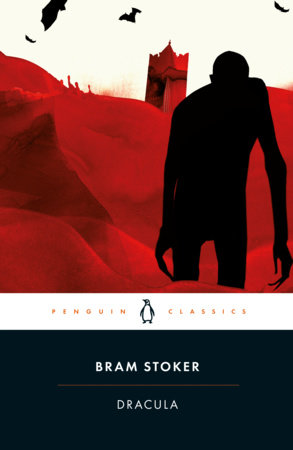
Newsela ELA Novel Study
Use this Novel Study to connect Bram Stoker’s gothic horror novel to superstition, fear, Victorian context, mood, tone, setting, characterization, vampire folklore, and the appeal of horror stories.
Open Novel StudyOpen each group to find videos, articles, fiction, and explainers that connect to the Novel Study’s essential questions.
| Resource | Runtime / Reading Level | Why this resource? | Spanish? |
|---|---|---|---|
| What makes “Dracula” a classic?Video | 3:37 | Gives students a quick entry point for discussing why the novel still appears on Halloween and classic-literature reading lists. | |
| Victorian literatureVideo | 2:40 | Builds period context before students connect the novel’s fears, settings, and social questions to Victorian literature. | |
| Gothic horrorVideo | 3:07 | Introduces gothic horror as a genre so students can name the mood, settings, and fears Stoker uses. | |
| How mood and tone function in a poemExplainer | 610L–1100L | Gives students transferable language for analyzing how mood and tone shape a reader’s response to frightening details. |
Scroll left to right to see the full table.
| Resource | Runtime / Reading Level | Why this resource? | Spanish? |
|---|---|---|---|
| What is the word for fear of the number 13? TriskaidekaphobiaArticle | 360L–1010L | Helps students start with a familiar example of fear before discussing how superstition can shape behavior. | |
| South African owl activists fly in face of superstitionArticle | 420L–1100L | Shows students how beliefs and fears can affect real people, animals, and communities. | |
| King Tut’s tomb was discovered 100 years ago—and unleashed a “curse”Article | 560L–1270L | Connects fear, rumor, and the idea of curses to the larger question of why people believe frightening stories. |
Scroll left to right to see the full table.
| Resource | Runtime / Reading Level | Why this resource? | Spanish? |
|---|---|---|---|
| In the garden of the vampiresArticle | 400L–1070L | Builds background on vampire traditions before students analyze how Stoker uses folklore in the novel. | ✓ Yes |
| Archaeologists find “vampire burial” site of a childArticle | 550L–1370L | Gives students a historical and archaeological connection for discussing how fear of the dead has appeared in different communities. | |
| How the dead dances with the living in medieval societyArticle | 600L–1300L | Helps students compare the novel’s treatment of death with historical beliefs about the dead and the living. | ✓ Yes |
| Dracula’s GuestFiction | 970L–1070L | Gives students a short fiction pairing for studying gothic setting, suspense, and vampire-story conventions. | ✓ Yes |
Scroll left to right to see the full table.
| Resource | Runtime / Reading Level | Why this resource? | Spanish? |
|---|---|---|---|
| You can now compete to spend one terrifying night in Dracula’s castleArticle | 560L–1090L | Shows how the Dracula story still shapes pop culture, tourism, and the way audiences play with fear. | ✓ Yes |
| Dear Science: Why do people like scary movies and haunted houses?Article | 470L–1070L | Gives students a science-based way to discuss why people choose frightening stories and experiences. | ✓ Yes |
| Opinion: Horror is having a mainstream moment; will that alienate fans?Article | 590L–1470L | Supports discussion about horror as a genre with devoted fans, shifting audiences, and cultural staying power. | ✓ Yes |
Scroll left to right to see the full table.
“Frankenstein” is a strong high school Halloween book because its horror grows out of questions students can keep debating: What does a creator owe a creation? What happens when ambition outruns responsibility? How do isolation and rejection shape a person?
Use this one when students are ready to connect gothic atmosphere with modern questions about science and responsibility. The supporting resources help them build context before they analyze the creation, Doctor Victor Frankenstein, and the choices that make the novel feel both old and current.
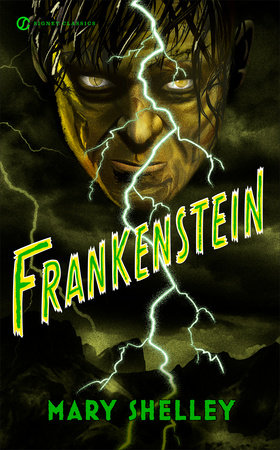
Newsela ELA Novel Study
Use this Novel Study to connect Mary Shelley’s gothic novel to myth, scientific and philosophical context, gothic horror, loneliness, women in science fiction, and the ethics of bioengineering.
Open Novel StudyOpen each group to find videos, articles, issue overviews, and reviews that connect to the Novel Study’s essential questions.
| Resource | Reading Level / Runtime | Why this resource? | Spanish? |
|---|---|---|---|
| The myth of PrometheusVideo | 4:46 | Builds the mythological context behind the novel’s full title and questions about creation, power, and responsibility. | |
| Mary ShelleyVideo | 2:26 | Introduces Shelley’s life and context before students analyze how her experiences shaped the novel. | |
| Gothic horrorVideo | 3:07 | Gives students genre language for studying mood, setting, fear, and the unsettling atmosphere of the novel. | |
| What makes Frankenstein a classic?Video | 3:35 | Helps students discuss why the novel still matters in conversations about literature, science, and responsibility. |
Scroll left to right to see the full table.
| Resource | Reading Level / Runtime | Why this resource? | Spanish? |
|---|---|---|---|
| The Age of EnlightenmentArticle | 590L–1470L | Builds philosophical and historical context for the novel’s questions about reason, progress, and human knowledge. | ✓ Yes |
| The real electric “Frankenstein” experiments of the 1800sArticle | 560L–1270L | Connects the novel’s creation scenes to scientific curiosity and public fascination with electricity. | ✓ Yes |
| Frankenstein lives, 200 years laterArticle | 530L–1310L | Shows how the novel’s ideas have continued to shape conversations about science and culture. | ✓ Yes |
| Gene editingIssue Overview | 590L–1400L | Gives students a modern science-and-ethics connection for comparing creation, control, and unintended consequences. | ✓ Yes |
| Biologist’s gene-editing kit lets do-it-yourselfers play GodArticle | 560L–1310L | Extends the bioengineering question by asking who gets access to powerful scientific tools. |
Scroll left to right to see the full table.
| Resource | Reading Level / Runtime | Why this resource? | Spanish? |
|---|---|---|---|
| Human connection bolsters immune system; that’s why it’s important to be kindArticle | 580L–1110L | Supports discussion about kindness, belonging, and what people need from one another. | ✓ Yes |
| Loneliness makes our brains crave peopleArticle | 470L–950L | Gives students nonfiction context for analyzing the creature’s isolation and need for connection. | ✓ Yes |
Scroll left to right to see the full table.
| Resource | Reading Level / Runtime | Why this resource? | Spanish? |
|---|---|---|---|
| One of the earliest sci-fi books was written in the 1600s by a duchessArticle | 360L–1190L | Broadens students’ understanding of women’s long history in speculative and scientific imagination. | ✓ Yes |
| Perseverance Martian landing point named after Octavia E. ButlerArticle | 600L–1240L | Connects Shelley’s legacy to another major woman writer whose work changed science fiction. | |
| “A Wrinkle in Time”: A girls’ move all boys should seeMovie Review | 540L–1440L | Offers a familiar science-fiction comparison for discussing gender, imagination, and adaptation. |
Scroll left to right to see the full table.
“Strange Case of Dr. Jekyll and Mr. Hyde” gives high school Halloween reading a mix of gothic horror, mystery, and ethical debate. The novel study connects the story to real-world settings and events, duality, and modern ethics.
Use this one when students are ready to move from “scary story” to close reading about character, setting, reputation, and responsibility.
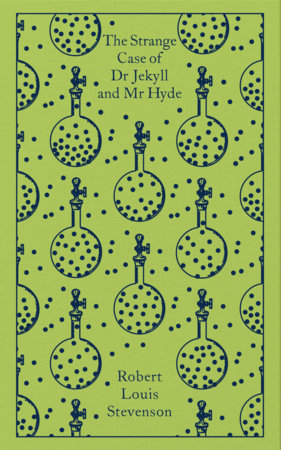
Newsela ELA Novel Study
Use this Novel Study to connect Stevenson’s gothic mystery to Victorian setting, social identity, moral standards, curiosity, investigation, and modern questions about ethical behavior.
Open Novel StudyOpen each group to find biographies, articles, explainers, and videos that connect to the Novel Study’s essential questions.
| Resource | Reading Level / Runtime | Why this resource? | Spanish? |
|---|---|---|---|
| Authors: Robert Louis StevensonBiography | 560L–1380L | Gives students author background before they study how Stevenson’s life, setting, and questions shaped the novella. | |
| Great Cities: London’s Great Stink heralds a wonder of industrial worldArticle | 640L–1430L | Builds London context so students can connect the novella’s urban setting to public health, class, and modernization. | ✓ Yes |
| Big Questions: Why were there separate jobs for men and women in Victorian times?Article | 580L–1280L | Helps students understand social expectations before they discuss reputation, behavior, and public identity. | ✓ Yes |
Scroll left to right to see the full table.
| Resource | Reading Level / Runtime | Why this resource? | Spanish? |
|---|---|---|---|
| What is social identity?Explainer | 450L–1010L | Gives students language for discussing public identity, hidden identity, and how people understand themselves in groups. | ✓ Yes |
| Reconstructing a crime sceneArticle | 610L–1250L | Supports the novella’s investigative structure as students track evidence, suspicion, and delayed revelations. | |
| Is the world an exciting or a terrifying place? Your answer shapes your lifeArticle | 580L–1360L | Helps students discuss how fear, belief, and worldview can shape choices and behavior. | ✓ Yes |
| What is a character foil?Video | 2:32 | Gives students a literary tool for analyzing contrast, doubled characters, and opposing sides of human nature. |
Scroll left to right to see the full table.
| Resource | Reading Level / Runtime | Why this resource? | Spanish? |
|---|---|---|---|
| Curiosity changes the brain to boost memory and learningArticle | 570L–1410L | Gives students a science-based entry point for discussing curiosity as both a strength and a risk. | ✓ Yes |
| Opinion: Can artificial intelligence be ethical?Article | 600L–1360L | Extends the novella’s ethical questions into a modern debate about technology and responsibility. | ✓ Yes |
| AI “good for the world”... says ultra-lifelike robotArticle | 560L–1290L | Helps students compare scientific imagination in fiction with real questions about artificial life and control. | |
| Opinion: Now that AI can write students’ essays for them, will everyone become a cheat?Article | 780L–1350L | Supports discussion about temptation, rules, reputation, and what it means to act ethically. | |
| Racial bias is incorporated into algorithms doctors use to treat patientsArticle | 620L–1540L | Gives students a concrete modern case for discussing ethics, hidden harm, and responsibility for consequences. | ✓ Yes |
Scroll left to right to see the full table.
“Macbeth” gives high school Halloween reading a strong mix of witches, prophecy, violence, and guilt. The novel study connects Shakespeare’s play to themes of fate, choice, poetic form, and superstition, and explores why some texts are popular across generations.
Use this one when students are ready to treat the supernatural as something to study rather than just a scary hook. The supporting resources help them build Shakespearean context, study meter and language, and compare beliefs about superstition and fate.
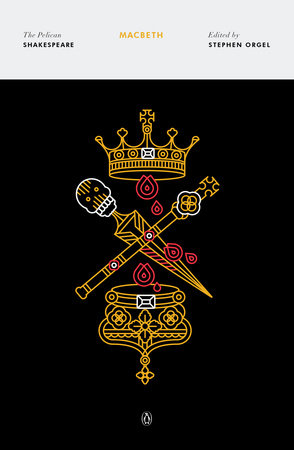
Newsela ELA Novel Study
Use this Novel Study to connect Shakespeare’s tragedy to poetic form, superstition, fate, choice, unchecked ambition, power, pride, and why some texts stand the test of time.
Open Novel StudyOpen each group to find biographies, videos, articles, explainers, mythology, and poetry that connect to the Novel Study’s essential questions.
| Resource | Reading Level / Runtime | Why this resource? | Spanish? |
|---|---|---|---|
| Authors: William ShakespeareBiography | 680L–1310L | Builds author background before students study Shakespeare’s language, themes, and lasting influence. | ✓ Yes |
| “Macbeth”: contextVideo | 9:45 | Gives students play-specific context before they discuss prophecy, ambition, and political violence. | |
| Hark! I hear poetic meterExplainer | 550L–1100L | Gives students language for noticing how rhythm and form affect tone and meaning. | ✓ Yes |
| Why Shakespeare loved iambic pentameterVideo | 5:21 | Helps students hear how meter works before they analyze Shakespeare’s lines more closely. | |
| Game: Can you spot the words and phrases Shakespeare invented?Article | 1070L | Shows students how Shakespeare’s language still appears in the words and phrases readers use today. |
Scroll left to right to see the full table.
| Resource | Reading Level / Runtime | Why this resource? | Spanish? |
|---|---|---|---|
| The origins of “break a leg” and other theater superstitionsArticle | 510L–1110L | Connects the play’s supernatural world to theater traditions and the way superstition can shape behavior. | ✓ Yes |
| Secrets of the Oracle: Where the Greeks and Romans Went for AdviceArticle | 590L–1070L | Gives students another way to think about prophecy, advice, fate, and how people respond to predictions. | ✓ Yes |
| Rain makers and folkloreArticle | 410L–990L | Builds background for discussing folklore, belief, and the stories people use to explain uncertain events. | ✓ Yes |
| The “tricky” poem: A guide to Robert Frost’s “The Road Not Taken”Article | 410L–1020L | Supports discussion about choice, consequence, and how readers interpret a character’s path. | ✓ Yes |
Scroll left to right to see the full table.
| Resource | Reading Level / Runtime | Why this resource? | Spanish? |
|---|---|---|---|
| Opinion: Alexander the brutalArticle | 400L–950L | Gives students a historical comparison for discussing leadership, conquest, reputation, and the danger of power. | |
| Clash of Cultures: Cortes Conquers Moctezuma and the AztecsArticle | 540L–940L | Supports discussion about conquest, leadership, and the human cost of pursuing power. | ✓ Yes |
| “Aspiration”: A sonnet by Henrietta Cordelia RaySonnet | Offers a short poetry pairing for discussing ambition, longing, and the language people use to imagine what they want. | ||
| Icarus flies too close to the sunMyth/Legend | 440L–1060L | Gives students a mythic comparison for pride, warning, overreaching, and the consequences of ignoring limits. | ✓ Yes |
Scroll left to right to see the full table.
| Resource | Reading Level / Runtime | Why this resource? | Spanish? |
|---|---|---|---|
| Touring “Hamlet” gets a standing ovation at UNArticle | 710L–1280L | Shows how Shakespeare’s plays continue to travel across places, audiences, and cultural settings. | ✓ Yes |
| High school teacher says Shakespeare is not to be in her classroomArticle | 720L–1440L | Gives students a classroom debate about whether and how Shakespeare still belongs in school. | ✓ Yes |
| Learning Shakespeare and writing sonnets in youth prisonArticle | 560L–1090L | Connects Shakespeare study to voice, reflection, and how students can make classic texts their own. |
Scroll left to right to see the full table.
“Dread Nation” brings Halloween reading into high school ELA through alternate history, horror, zombies, and survival. The novel study connects themes of science fiction and fantasy, media influence, the Reconstruction Era, and individuals' resistance to the limits others impose on them.
Use this one when students are ready for a horror premise that points back to real history. The supporting resources help them examine zombie-story conventions, Civil War and Reconstruction context, and ethical questions about power and control.

Newsela ELA Novel Study
Use this Novel Study to connect Justina Ireland’s alternate-history horror novel to science fiction and fantasy, propaganda, media influence, Reconstruction, injustice, Black communities, unequal laws, and resistance.
Open Novel StudyOpen each group to find videos, articles, and issue-based resources that connect to the Novel Study’s essential questions.
| Resource | Reading Level / Runtime | Why this resource? | Spanish? |
|---|---|---|---|
| How to write a science fiction storyVideo | 0:37 | Gives students a quick craft entry point for discussing how speculative premises can explore real-world issues. | |
| Where to go when the zombies come? Ask this expert on the undeadArticle | 540L–1170L | Builds background for the zombie-story frame before students discuss how the novel uses the undead to explore human systems. | ✓ Yes |
| The CDC wants you to prepare for a zombie apocalypse (Yes, you read that right)Article | 470L–1160L | Shows how a zombie premise can become a practical way to talk about preparedness, public messaging, and fear. | ✓ Yes |
| Opinion: Engineering the better babyArticle | 560L–1280L | Extends the speculative-fiction question into a modern ethical debate about control, power, and who gets to define improvement. | ✓ Yes |
Scroll left to right to see the full table.
| Resource | Reading Level / Runtime | Why this resource? | Spanish? |
|---|---|---|---|
| The dark(er) side of mediaVideo | 9:58 | Helps students think about how media can influence what people believe, fear, accept, or ignore. | |
| Dueling messages: Propaganda in the Civil WarArticle | 600L–1220L | Builds historical context for discussing how propaganda shapes public opinion during conflict. | ✓ Yes |
Scroll left to right to see the full table.
| Resource | Reading Level / Runtime | Why this resource? | Spanish? |
|---|---|---|---|
| Reconstructing in the SouthArticle | 580L–1330L | Builds Reconstruction context before students analyze the alternate history and political systems in the novel. | ✓ Yes |
| Black codes: Restricting the freedom of Black people after the Civil WarArticle | 610L–1510L | Gives students historical background for discussing unequal laws, freedom, control, and the limits placed on Black people after the Civil War. | ✓ Yes |
| All-Black towns across America: Life was hard but full of promiseArticle | 570L–1110L | Shows students examples of Black communities built around safety, possibility, and self-determination. | |
| Allensworth: A town in California founded by Black AmericansArticle | 580L–1250L | Adds a concrete historical example for discussing Black leadership, community-building, and resistance to imposed limits. |
Scroll left to right to see the full table.
“Beloved” brings high school Halloween reading into a serious, haunted space where memory, history, family, and grief all carry into the present. The novel study connects the author’s background, historical context, magical realism, and poetry.
Use this one when students are ready for a ghost story but also need to read a text carefully. The supporting resources help them build context around Civil War-era themes, study Morrison’s craft and legacy, and use poetry to think about memory and survival.
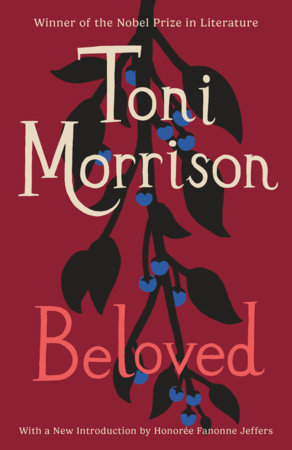
Newsela ELA Text Set
Use this Text Set to connect Toni Morrison’s novel to author background, enslavement and freedom, memory, magical realism, poetry, found poetry, and character analysis.
Open Text SetOpen each group to find videos, memoir excerpts, articles, an explainer, poetry, and a writing activity that connect to the Text Set’s themes and questions.
| Resource | Reading Level / Runtime | Why this resource? | Spanish? |
|---|---|---|---|
| About Toni MorrisonVideo | 11:39 | Builds author background before students study Morrison’s choices with voice, memory, history, and structure. | |
| Why should you read Toni Morrison’s “Beloved”?Video | 4:47 | Gives students an accessible entry point for understanding why the novel remains important and challenging. | |
| Nobel laureate Toni Morrison dead at 88Obituary | 520L–1230L | Introduces Morrison’s broader literary legacy and the impact of her work beyond one novel. | |
| Toni Morrison’s joyful, unfinished workArticle | 570L–1580L | Helps students see Morrison as a writer whose work keeps shaping readers, scholars, and artists. | ✓ Yes |
| When I was a teen, English wouldn’t stick: Toni Morrison taught me how to readArticle | 580L–1100L | Offers a personal reading connection students can use to discuss how difficult books can open new ways of thinking. | ✓ Yes |
Scroll left to right to see the full table.
| Resource | Reading Level / Runtime | Why this resource? | Spanish? |
|---|---|---|---|
| Primary Sources: Excerpts from Harriet Jacobs’ Slave Narrative, Part OneMemoir | 390L–1110L | Builds primary-source context for discussing enslavement, voice, survival, and personal testimony. | ✓ Yes |
| Primary Sources: Excerpts from Harriet Jacobs’ Slave Narrative, Part TwoMemoir | 480L–1060L | Continues the primary-source pairing so students can compare lived experience, memory, and narrative voice. | ✓ Yes |
| Before sanctuary cities, how Black Americans protected fugitives from enslavementArticle | 600L–1240L | Shows how people and communities acted to protect freedom, giving students historical context for resistance and refuge. | |
| Should the descendants of enslaved people get reparations?Issue Overview | 550L–1250L | Connects the novel’s historical questions to a current public debate about harm, repair, and responsibility. | ✓ Yes |
| House panel holds hearing on reparations for slaveryArticle | 580L–1450L | Gives students a concrete civic example for discussing how historical memory can enter public policy conversations. |
Scroll left to right to see the full table.
| Resource | Reading Level / Runtime | Why this resource? | Spanish? |
|---|---|---|---|
| Magical realismExplainer | 570L–1310L | Gives students genre language for discussing how the novel blends realistic history with haunting and supernatural elements. | ✓ Yes |
| “As I Grew Older”: A poem by Langston HughesPoem | 1030L | Offers a poetry pairing for discussing memory, dreams, barriers, and the persistence of hope. | |
| “children do”: A poem by Alyssa GainesPoem | 1020L | Gives students a contemporary poem for thinking about childhood, inheritance, and what young people carry from the world around them. | |
| “Yesterday and To-morrow”: A poem by Paul Laurence DunbarPoem | Supports discussion about the pull between past and future, a central tension students can trace through the novel. | ||
| “Mercy”: A poem by José Antonio RodríguezPoem | 810L | Offers a poetry connection for talking about compassion, pain, and the complicated needs characters bring into relationships. | |
| Introduction to found poetryArticle | 450L–970L | Prepares students to transform language from source material into a poem as they think about voice, selection, and meaning. | ✓ Yes |
Scroll left to right to see the full table.
“Hamlet” gives high school Halloween reading a ghost story wrapped inside a tragedy about grief, revenge, uncertainty, and performance. The novel study connects Shakespeare’s play to Renaissance context, poetic form, and the continuing impact of the author’s work.
Use this one when students are ready to analyze how a haunting can shape an entire play rather than just one scene. The supporting resources help them build background of Shakespeare and the Renaissance, study meter and sonnets, and connect “Hamlet” to later performances and adaptations.
Newsela ELA Book Study
Use this Book Study to connect Shakespeare’s tragedy to Elsinore and Renaissance context, poetic form, sonnets, love, loss, illusion, performance, and the lasting reach of Shakespeare’s writing.
Open Book StudyOpen each group to find videos, articles, explainers, sonnets, poems, and current-event connections that support the Book Study’s themes and questions.
| Resource | Reading Level / Runtime | Why this resource? | Spanish? |
|---|---|---|---|
| William Shakespeare’s timelineVideo | 3:14 | Gives students a quick overview of Shakespeare’s life before they study the play’s language and historical setting. | |
| Crisis of the Late Middle AgesArticle | 570L–1310L | Builds background on the historical pressures and transitions that help students understand the world before the Renaissance. | ✓ Yes |
| Northern European Renaissance: Part 2Article | 530L–1440L | Helps students connect Elsinore and the play’s intellectual world to late Renaissance ideas and culture. | ✓ Yes |
| Why Shakespeare loved iambic pentameterVideo | 5:21 | Helps students hear how meter works before they analyze Shakespeare’s lines more closely. | |
| Hark! I hear poetic meterExplainer | 550L–1100L | Gives students language for discussing how rhythm, form, and sound affect meaning. | ✓ Yes |
| “Sonnet 73”: A poem by William ShakespeareSonnet | Gives students another Shakespeare text for studying form, age, loss, and how compressed language carries emotion. |
Scroll left to right to see the full table.
| Resource | Reading Level / Runtime | Why this resource? | Spanish? |
|---|---|---|---|
| “Afternoon on a Hill”: A poem by Edna St. Vincent MillayPoem | 840L | Offers a short poem for discussing longing, perspective, and the emotional distance characters feel. | |
| “Sonnet 19: What Lips My Lips Have Kissed”: A poem by Edna St. Vincent MillaySonnet | Supports discussion about memory, love, absence, and how poetic form can hold grief. | ||
| Why it’s unsettling that anything could be cake, according to scienceArticle | 600L–1120L | Gives students a playful entry point for talking about illusion, perception, and why appearances can feel unstable. | ✓ Yes |
| Apes make irrational economic decisions—that includes youArticle | 600L–1390L | Helps students discuss irrational choices, bias, and the way emotion can interfere with judgment. | ✓ Yes |
Scroll left to right to see the full table.
| Resource | Reading Level / Runtime | Why this resource? | Spanish? |
|---|---|---|---|
| Opinion: The true story behind “The Lion King”Article | 600L–1140L | Connects the play to a familiar adaptation so students can compare characters, conflict, and storytelling choices. | |
| Learning Shakespeare and writing sonnets in youth prisonArticle | 560L–1090L | Shows how Shakespeare can become a tool for voice, reflection, and writing in a modern classroom setting. | |
| Touring “Hamlet” gets a standing ovation at UNArticle | 710L–1280L | Shows how the play continues to move across countries, audiences, and public stages. | ✓ Yes |
Scroll left to right to see the full table.
“Wuthering Heights” gives high school Halloween reading a gothic edge through obsession, revenge, grief, and love that seems to outlast death. The novel study connects the story's themes to real-world events, poetry, relationships, and the duality of human experience.
Use this one when students are ready to read a haunting story and study the characters, not just the setting. The supporting resources help them build background knowledge on the Brontë family and Victorian context, compare ideas about class and relationships, and connect the novel’s darker emotions to other poetry and fiction selections.
Newsela ELA Novel Study
Use this Novel Study to connect Emily Brontë’s gothic novel to Romanticism, Victorian literature, unhealthy relationships, social class, revenge, love, death, and the duality of human experience.
Open Novel StudyOpen each group to find videos, poems, articles, fiction, and a writing activity that connect to the Novel Study’s essential questions.
| Resource | Reading Level / Runtime | Why this resource? | Spanish? |
|---|---|---|---|
| The Brontë sistersVideo | 2:54 | Builds family and author context before students study Emily Brontë’s only novel. | |
| History of ideas: RomanticismVideo | 9:36 | Gives students movement-level context for emotion, nature, individual feeling, and intensity in the novel. | |
| Victorian literatureVideo | 2:40 | Helps students place the novel in a broader literary period before they analyze social expectations and conflict. | |
| “To a Wreath of Snow”: A poem by Emily BrontëPoem | 660L | Gives students a shorter Emily Brontë text for studying imagery, tone, and emotional intensity. | |
| “Life”: A poem by Charlotte BrontëPoem | 940L | Offers a Brontë family poetry pairing for comparing hope, endurance, and the way poems frame hardship. | |
| Big Questions: Why were there separate jobs for men and women in Victorian times?Article | 580L–1280L | Builds social context for discussing gender expectations, work, status, and family roles. | ✓ Yes |
Scroll left to right to see the full table.
| Resource | Reading Level / Runtime | Why this resource? | Spanish? |
|---|---|---|---|
| Why you should date your best friendArticle | 550L–1310L | Gives students a modern comparison point for discussing friendship, love, compatibility, and relationship choices. | ✓ Yes |
| What healthy and unhealthy relationships look likeArticle | 490L–1220L | Helps students discuss relationship patterns in the novel with clear, grounded language. | ✓ Yes |
| The Caste SystemArticle | 520L–1300L | Supports discussion about social hierarchy, inherited status, and how systems can shape relationships. | ✓ Yes |
| Ancient Egyptian Social StructureArticle | 600L–980L | Gives students another social-structure example for comparing class, power, and mobility. | |
| The Aztecs Had a Strict Social StructureArticle | 510L–1350L | Extends the class discussion with a historical example of how status can organize daily life and opportunity. | ✓ Yes |
Scroll left to right to see the full table.
| Resource | Reading Level / Runtime | Why this resource? | Spanish? |
|---|---|---|---|
| The Cask of AmontilladoFiction | 760L–790L | Pairs with the novel’s revenge thread so students can compare obsession, cruelty, and the cost of retaliation. | ✓ Yes |
| “Sonnet XLIII”: A poem by Elizabeth Barrett BrowningSonnet | Offers a poetry pairing for discussing intense love, devotion, and whether love can outlast death. |
Scroll left to right to see the full table.
“The Crucible” gives high school Halloween reading its witches and trials, but the more important work is the allegory. The book study connects the play to the Salem witch trials, public panic, and conspiracy theories.
Use this one when students are ready to look at fear as a social force. The supporting resources help them build historical context, study allegory, trace how public perception can shift under pressure, and discuss how gender, power, and truth shape the play’s conflicts.
Newsela ELA Book Study
Use this Book Study to connect Arthur Miller’s play to the Salem witch trials, allegory, McCarthyism, public panic, conspiracy theories, gender and power, forgiveness, and redemption.
Open Book StudyOpen each group to find videos, articles, speeches, explainers, and a writing activity that connect to the Book Study’s essential questions.
| Resource | Reading Level / Runtime | Why this resource? | Spanish? |
|---|---|---|---|
| The Salem Witch Trials: What really happened?Video | 1:48 | Gives students a quick historical entry point before they study accusation, fear, and public judgment in the play. | |
| A Brief History of the Salem Witch TrialsArticle | 500L–1240L | Builds background on the real events students need before discussing Miller’s dramatized version. | ✓ Yes |
| The site where Salem’s “witches” were executed is now next to a WalgreensArticle | 480L–1240L | Helps students see how public memory changes around places tied to fear, punishment, and injustice. | |
| Why Europe’s wars of religion put 40,000 “witches” to a terrible deathArticle | 590L–1320L | Widens the historical frame so students can compare fear, religion, accusation, and violence across contexts. |
Scroll left to right to see the full table.
| Resource | Reading Level / Runtime | Why this resource? | Spanish? |
|---|---|---|---|
| AllegoryVideo | 2:52 | Introduces the literary concept students need as they connect the Salem setting to Miller’s larger critique. | |
| The 1950s Part One: McCarthy and the Red ScareArticle | 560L–1340L | Builds the political context students need to understand why the play is often read as an allegory. | ✓ Yes |
| Joseph McCarthy’s “Enemies from Within”Speech | 590L–1350L | Gives students a primary-source-style connection for analyzing public accusation and political fear. | ✓ Yes |
| Don’t fall for a conspiracy theory; here’s how to protect yourselfExplainer | 560L–1140L | Helps students talk about how fear, rumor, and weak evidence can shape what people believe. | ✓ Yes |
| The real consequences of fake news and why your brain can’t ignore itArticle | 540L–1350L | Connects public perception and misinformation to the play’s pattern of panic and accusation. | ✓ Yes |
Scroll left to right to see the full table.
| Resource | Reading Level / Runtime | Why this resource? | Spanish? |
|---|---|---|---|
| Sojourner Truth’s “Ain’t I a Woman?” (1863 account)Speech | 540L–1280L | Supports discussion about how gender, voice, and authority shape who gets heard. | ✓ Yes |
| Cady Stanton’s Address on “The Destructive Male”Speech | 580L–1490L | Gives students another text for thinking about gender, power, public argument, and social change. | ✓ Yes |
| Gloria Steinem’s Testimony on Equal Rights AmendmentSpeech | 590L–1160L | Helps students compare how speakers challenge unequal power in public settings. | ✓ Yes |
| ForgivenessVideo | 2:19 | Prepares students to discuss confession, forgiveness, redemption, and the limits of moral judgment in the play. |
Scroll left to right to see the full table.
“And Then There Were None” turns a Halloween mystery into a study of suspicion, guilt, fear, justice, and the consequences of being trapped in a situation where everyone has something to hide. The novel study connects the themes of suspense, investigation, justice, and retribution.
Use this one when students are ready to read a mystery that’s both a puzzle and an ethical problem. The supporting resources help them study mystery conventions and deduction, notice how fear and anxiety shape perception, and discuss accountability and punishment.

Newsela ELA Novel Study
Use this Novel Study to connect Christie’s mystery to suspense, investigation, fear, guilt, anxiety, social responsibility, justice, and retribution.
Open Novel StudyOpen each group to find videos, articles, explainers, and excerpts that connect to the Novel Study’s essential questions.
| Resource | Reading Level / Runtime | Why this resource? | Spanish? |
|---|---|---|---|
| Mystery genreVideo | 2:34 | Gives students the genre language they need before they track clues, suspects, and suspense. | |
| How to write the perfect crime, according to Agatha ChristieVideo | 4:51 | Connects students to Christie’s craft as they think about clues, misdirection, and structure. | |
| Sherlock Holmes and the tools of deductionArticle | 590L–1290L | Builds background on deduction so students can compare investigative habits across mystery stories. | |
| CSI: Investigating a crime sceneArticle | 590L–1500L | Helps students connect close reading and evidence gathering to real-world investigation. | ✓ Yes |
| Reconstructing a crime sceneArticle | 610L–1250L | Supports discussion about how investigators rebuild events from details, sequences, and evidence. |
Scroll left to right to see the full table.
| Resource | Reading Level / Runtime | Why this resource? | Spanish? |
|---|---|---|---|
| Anxiety, fear and the fight-or-flight responseExplainer | 480L–960L | Gives students science vocabulary for discussing how fear changes the body and mind. | ✓ Yes |
| Dealing with stress and strong emotionsArticle | 600L–1300L | Helps students discuss how intense emotions can shape choices, reactions, and relationships. | |
| The old-fashioned dream labArticle | 350L–930L | Opens a conversation about the mind, memory, and the ways people try to make sense of experience. | |
| Why are dreams wacky? Maybe to help us learn and copeArticle | 380L–1000L | Connects dreams and coping to the novel’s questions about guilt, fear, and perception. | ✓ Yes |
Scroll left to right to see the full table.
| Resource | Reading Level / Runtime | Why this resource? | Spanish? |
|---|---|---|---|
| “Leviathan” by Thomas HobbesBook Excerpt | 540L–1260L | Gives students a philosophical text for thinking about law, order, power, and social responsibility. | ✓ Yes |
| The function of justice and retribution in our societyExplainer | 610L–1230L | Provides language for discussing justice, punishment, accountability, and why people expect consequences. | |
| How a jury decided to sentence the Boston Marathon bomber to deathArticle | 700L–1380L | Brings in a real legal case for discussing juries, punishment, and difficult public decisions. | |
| Why more states are giving juvenile offenders a second chanceArticle | 560L–1330L | Adds a second-chance lens for discussing punishment, change, and what justice should allow. | |
| Attacker in Asian bias crime sentence to restorative justice, not more jail timeArticle | 590L–1490L | Introduces restorative justice as a contrast to punishment-centered responses. |
Scroll left to right to see the full table.
“Grendel” gives high school Halloween reading a monster story told from the monster’s side. The Novel Study connects to “Beowulf,” storytelling perspectives, culture, Viking context, and the question of what separates a monster from a hero or anti-hero.
Use this one when students are ready to compare an ancient story with a modern retelling and ask how point of view changes everything. The supporting resources help students build context around narrative poetry, stories as history, and the hero’s journey.
Newsela ELA Novel Study
Use this Novel Study to connect John Gardner’s monster-centered retelling to “Beowulf,” narrative poetry, storytelling, perspective, isolation, suffering, fear, Viking context, monsters, heroes, and anti-heroes.
Open Novel StudyOpen each group to find videos and articles that connect to the Novel Study’s essential questions.
| Resource | Reading Level / Runtime | Why this resource? | Spanish? |
|---|---|---|---|
| Don’t Know Much About “Beowulf”? Nobody Does!Video | 12:54 | Builds background on the epic before students compare the original hero story with Gardner’s retelling from the monster’s point of view. | |
| Narrative poetry: Telling stories through verseArticle | 610L–1250L | Gives students language for talking about stories that move through verse, performance, and oral tradition. | ✓ Yes |
| How We Have Turned Memories and Stories into HistoriesArticle | 710L–1220L | Helps students think about how memory, perspective, and culture shape the histories people pass down. | ✓ Yes |
| The Vikings: Raiders by SeaArticle | 540L–1410L | Builds historical context for the warrior culture students see echoed in the Beowulf world. | ✓ Yes |
Scroll left to right to see the full table.
| Resource | Reading Level / Runtime | Why this resource? | Spanish? |
|---|---|---|---|
| Loneliness makes our brains crave peopleArticle | 470L–950L | Supports discussion about how isolation can affect well-being, outlook, and the way a character reads the world. | ✓ Yes |
| Gen Z is the loneliest generation, and not just because of social mediaArticle | 600L–1320L | Adds a modern connection for discussing loneliness, belonging, and why isolation can feel different across generations. | ✓ Yes |
Scroll left to right to see the full table.
| Resource | Reading Level / Runtime | Why this resource? | Spanish? |
|---|---|---|---|
| Opinion: The politics of fear and how it manipulates us to tribalismArticle | 560L–1050L | Helps students connect fear to group behavior before they discuss how communities define outsiders and monsters. | ✓ Yes |
| Archaeologists find “vampire burial” site of a childArticle | 550L–1370L | Gives students a historical example of fear shaping beliefs about bodies, death, and the unknown. |
Scroll left to right to see the full table.
| Resource | Reading Level / Runtime | Why this resource? | Spanish? |
|---|---|---|---|
| Does new DNA evidence prove that there were female Viking warlords?Article | 600L–1100L | Complicates students’ assumptions about warriors, status, evidence, and who gets remembered as heroic. | ✓ Yes |
| Geologist studies Vikings for lessons on adapting to climate changeArticle | 600L–1490L | Adds another Viking context for discussing survival, adaptation, and how people read the past for meaning. | ✓ Yes |
| Are you monomythic? Joseph Campbell and the hero’s journeyArticle | 540L–1220L | Gives students a framework for comparing hero stories, anti-heroes, and the roles a society assigns to monsters. | ✓ Yes |
Scroll left to right to see the full table.
A Halloween book list works best when it gives students a reason to read closely, not just a seasonal theme. Start with the grad band that fits your class, then choose a title that matches the kind of thinking you want students to practice, like suspense, symbolism, setting, or historical context.
Once you pick a book, use the Newsela Novel or Book Study to build the world around it. The supporting multimodal content and writing activities can help students preview key ideas, make strong connections, and turn a spooky or mysterious story into ELA work.
If you’re not a Newsela customer yet, sign up for free and get a 45-day free trial of all premium and differentiated content and activities to help you plan even more exciting activities through October and beyond.


Use these classroom Halloween activities to teach ELA skills with scary stories, poems, paired texts, videos, and Newsela resources.
.jpg)
Teach scary story writing with mentor texts, suspense strategies, plot planning, descriptive revision, and age-appropriate Halloween alternatives.
.jpg)
Teach Halloween history with social studies activities on Celtic traditions, Día de Muertos, haunted houses, zombies, fairy folklore, and more.


.jpg)
.jpg)